
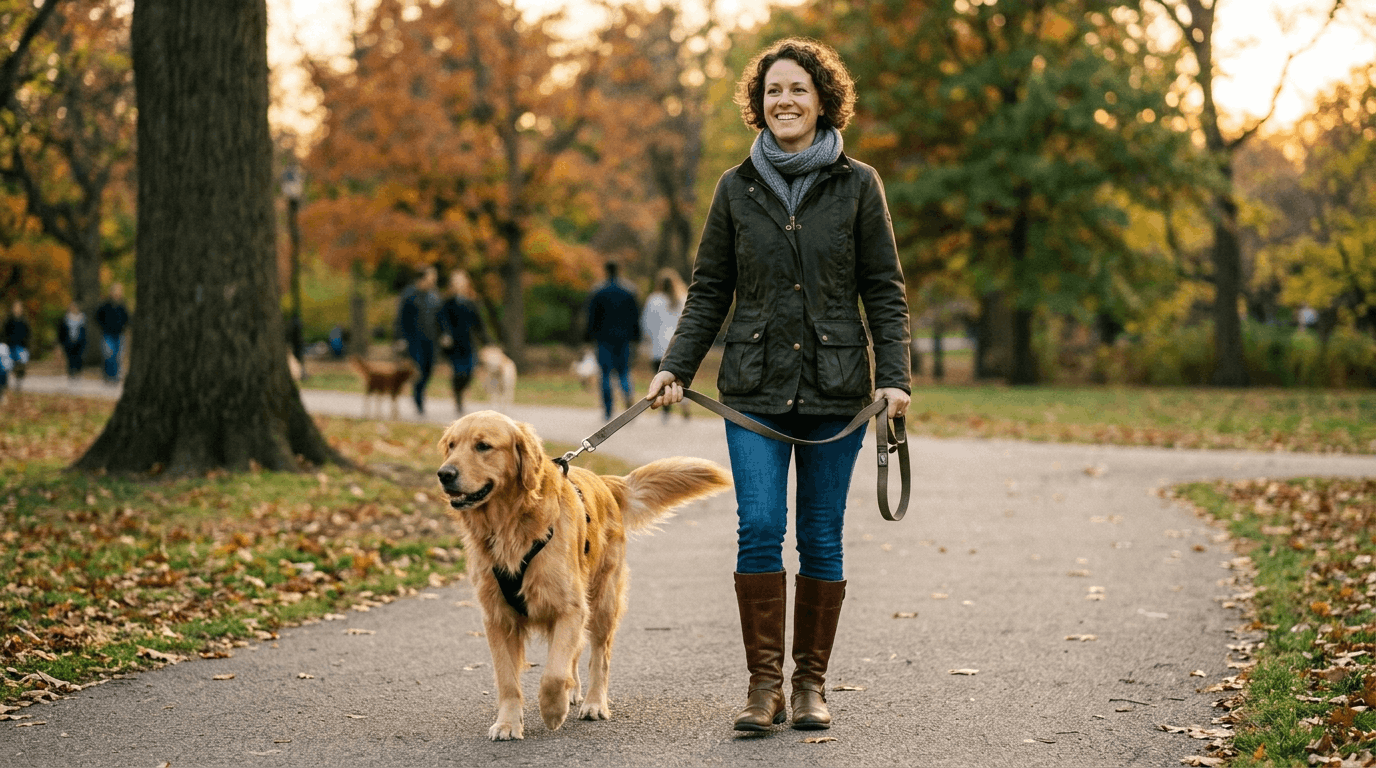
Every dog needs guidance, structure, and reassurance, and that all begins with you. Becoming a confident dog owner is one of the most important steps in raising a well-behaved and emotionally balanced dog. Dogs naturally look to their owners for direction, and when that leadership feels uncertain, it can lead to confusion, anxiety, and unwanted behavior. Because of this, your mindset and approach directly influence how your dog responds to the world.
While confidence does not mean being strict or dominant, it does require clarity, consistency, and calm communication. When you develop the habits of a confident dog owner, your dog begins to trust your decisions and follow your cues more naturally. Over time, this creates a stable and predictable environment where both you and your dog feel more relaxed and connected.
Why Confidence Matters More Than Commands
Many dog owners focus heavily on teaching commands, yet behavior often improves more through confidence than repetition alone. A confident dog owner communicates clearly without hesitation, which helps the dog understand expectations. Because of this, your tone, posture, and timing matter just as much as the words you use.
Dogs are highly perceptive and quickly pick up on uncertainty. If you hesitate or send mixed signals, your dog may become unsure of how to respond. As a result, even simple commands can break down. However, when you act with clarity, your dog feels more secure and follows more willingly.
Confidence also reduces stress for your dog. When your actions are consistent, your dog does not have to guess what will happen next. This stability helps build trust, which is the foundation of a strong relationship.
Building Trust Through Consistent Behavior
Trust develops when your dog knows what to expect from you. A confident dog owner maintains consistent routines, commands, and responses. This predictability allows your dog to feel safe and understand boundaries more easily.
For example, if you allow a behavior one day but correct it the next, your dog becomes confused. Instead, setting clear rules and following them consistently helps reinforce learning. Over time, your dog begins to rely on your guidance and respond more confidently.
In addition, consistency extends to daily routines. Feeding, walking, and training at regular times create structure. Because dogs thrive on routine, this approach supports both emotional stability and behavioral improvement.
Using Calm Energy To Influence Behavior
Your energy plays a powerful role in how your dog behaves. A confident dog owner remains calm and steady, even in challenging situations. This calm presence signals to your dog that there is no need to react or become anxious.
When dogs sense tension, they often mirror that emotion. For example, if you become frustrated during training, your dog may become stressed or uncooperative. However, when you maintain a relaxed attitude, your dog is more likely to stay focused.
Breathing slowly and moving deliberately can help reinforce calm energy. These subtle actions make a difference in how your dog perceives the situation. Over time, your calm approach becomes a consistent signal that helps regulate your dog’s behavior.
Setting Clear Boundaries Without Harshness
Boundaries are essential for guiding behavior, yet they do not require harsh correction. A confident dog owner sets limits in a firm but respectful way. This approach helps your dog understand what is acceptable without creating fear.
Clear boundaries might include rules about jumping, barking, or entering certain areas of the home. By enforcing these rules consistently, you provide structure that supports learning. Because of this, your dog feels more secure and less likely to test limits.
Positive reinforcement also plays a role. Rewarding good behavior encourages your dog to repeat it. When combined with clear boundaries, this creates a balanced training approach that builds confidence for both you and your dog.
Image Placement And Optimization
Image 1: Owner calmly training a dog
Alt text: confident dog owner training session
Image 2: Dog sitting calmly beside owner
Alt text: confident dog owner building trust
Image 3: Dog responding to command outdoors
Alt text: confident dog owner in real world training
Improving Communication With Your Dog
Effective communication is a key trait of a confident dog owner. Dogs rely on body language, tone, and timing to understand what you want. Because of this, clear communication reduces confusion and improves responsiveness.
Using simple, consistent commands helps your dog learn faster. Avoid repeating commands multiple times, as this can weaken their meaning. Instead, give a clear cue and follow through with appropriate action.
Body language should also align with your words. Standing upright, maintaining steady eye contact, and using controlled movements reinforce your message. Over time, these habits strengthen communication and help your dog respond more reliably.
Practicing Patience During Training
Training takes time, and patience is essential for long-term success. A confident dog owner understands that progress may be gradual and that setbacks are part of the process. By staying patient, you create a positive learning environment for your dog.
Frustration can lead to inconsistent behavior, which confuses your dog. Instead, focusing on small improvements helps maintain motivation. Each successful response builds confidence and reinforces learning.
In addition, taking breaks when needed prevents both you and your dog from becoming overwhelmed. Short, focused training sessions are often more effective than long, exhausting ones. By practicing patience, you support steady progress and lasting results.
Handling Challenging Situations With Confidence
Real-life situations often present distractions and unexpected challenges. A confident dog owner remains composed and focused, even when things do not go as planned. This ability to stay calm helps your dog navigate new experiences more easily.
For example, encountering other dogs or loud environments can trigger reactions. By maintaining control and guiding your dog calmly, you reinforce trust. Over time, your dog learns to look to you for direction in uncertain situations.
Preparation also helps. Practicing commands in different environments builds reliability. As your dog gains experience, it becomes easier to manage challenges with confidence.
Developing A Strong Daily Routine
Routine is a powerful tool for building confidence. A confident dog owner creates a structured daily schedule that includes exercise, training, and rest. This balance supports both physical and mental well-being.
Regular exercise helps release excess energy, making it easier for your dog to stay calm. Training sessions provide mental stimulation, while rest periods allow recovery. Together, these elements create a balanced lifestyle.
Consistency in routine also reduces anxiety. When your dog knows what to expect, it feels more secure. This stability reinforces your role as a confident dog owner and strengthens the overall relationship.
Growing Together Over Time
Confidence is not something that develops overnight. It grows through experience, practice, and reflection. A confident dog owner continues to learn and adapt, improving both skills and understanding.
As you gain confidence, your dog benefits from clearer communication and stronger leadership. This mutual growth creates a deeper bond and a more harmonious relationship. Over time, challenges become easier to manage, and successes become more frequent.
In addition, celebrating progress helps maintain motivation. Recognizing improvements, no matter how small, reinforces positive habits. By focusing on growth, you create a rewarding journey for both you and your dog.
Conclusion
Becoming a confident dog owner is one of the most valuable steps you can take to improve your dog’s behavior and well-being. Through consistent actions, calm energy, and clear communication, you create an environment where your dog can thrive. While the process requires patience and dedication, the results are lasting and meaningful.
As your confidence grows, your dog responds with trust and cooperation. This partnership transforms everyday interactions into positive experiences. Ultimately, being a confident dog owner is not about perfection, but about providing steady guidance and building a strong, supportive relationship.
FAQ
- How can I become more confident with my dog?
Practice consistency, stay calm, and focus on clear communication during training and daily interactions. - Do dogs respond better to confident owners?
Yes, dogs feel more secure and are more likely to follow guidance from calm and consistent owners. - Can confidence improve my dog’s behavior?
Confidence helps create clarity, which leads to better understanding and improved behavior. - What if I feel unsure during training?
Start with simple exercises and build confidence gradually through practice and repetition. - How long does it take to build confidence as an owner?
It varies, but consistent effort and positive experiences can lead to noticeable improvements over time.