
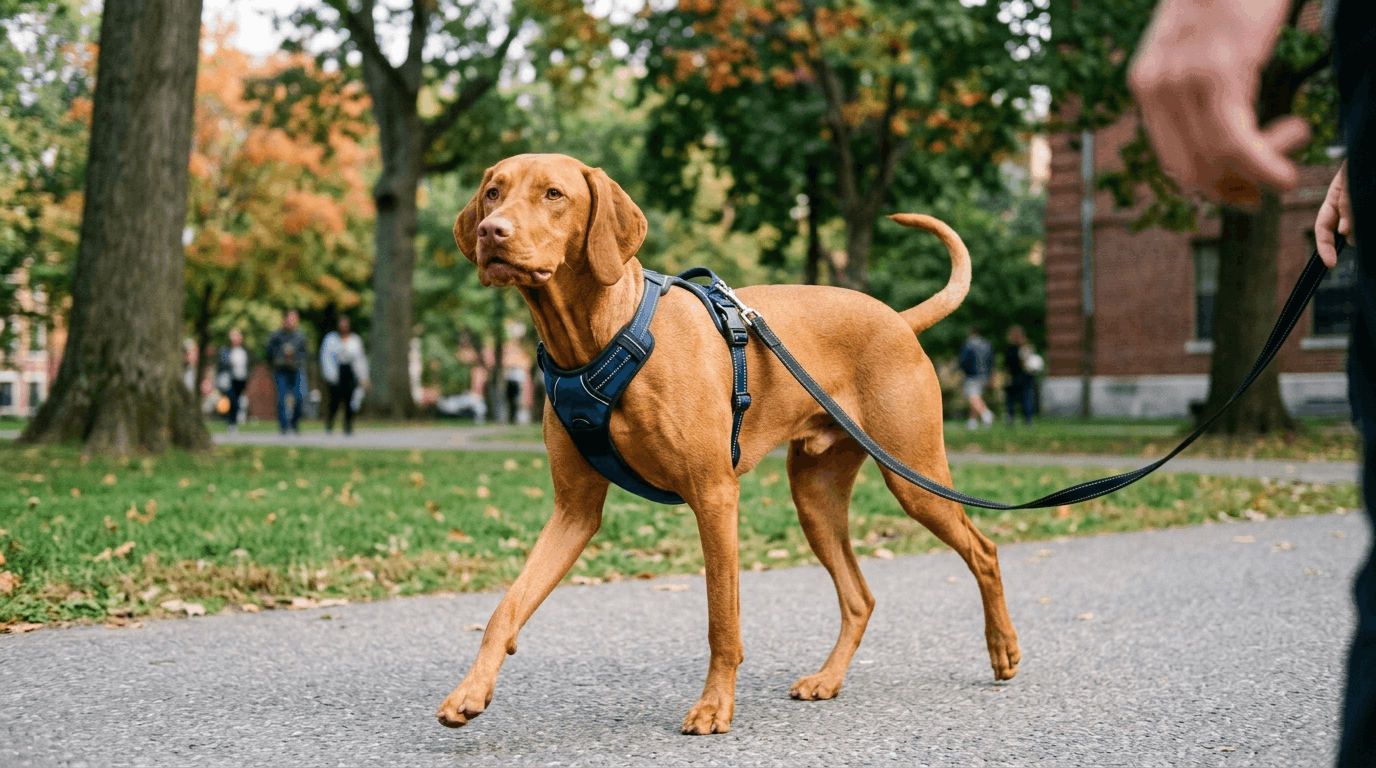
Walking a dog should feel calm, enjoyable, and rewarding instead of stressful or chaotic. However, many owners struggle with pulling, barking, freezing, fear, or overexcitement during walks. While leash training techniques matter, emotional confidence often plays an even bigger role in walking behavior than people realize. Dogs that feel uncertain, anxious, or overstimulated outdoors usually struggle to remain calm and focused. Building emotional confidence helps create better communication, calmer reactions, and more enjoyable walking experiences over time.
Confident dog walks develop gradually through trust, consistency, positive experiences, and emotional support. Dogs need to feel safe enough to process the environment calmly instead of reacting impulsively to every distraction or uncertainty.
Some dogs lack confidence because of limited socialization, while others become overwhelmed by busy environments or inconsistent routines. Rescue dogs and nervous puppies often need extra support as they adjust to unfamiliar situations outdoors.
Fortunately, confidence can grow through patient guidance and steady exposure to positive experiences. Owners who focus on emotional balance instead of only obedience often see major improvements in leash manners and overall behavior.
Building confidence does not require harsh corrections or forceful control. Instead, calm structure and supportive training help dogs learn that walks can feel safe, predictable, and rewarding every day.
Why Confidence Matters During Walks
Dogs constantly observe and respond to the world around them during walks. Sounds, smells, movement, people, and other animals all create emotional reactions that influence behavior.
Confident dog walks help dogs process these experiences calmly rather than reacting through fear, excitement, or frustration.
Dogs lacking confidence may pull suddenly, freeze, bark, avoid movement, or become hyper-alert outdoors. Some dogs react emotionally because they feel uncertain about how to handle stimulation safely.
Others become overwhelmed by environmental pressure and struggle to focus on their owners during stressful moments.
Confidence creates emotional stability. Dogs that trust their surroundings and their owners generally recover from distractions faster while staying more emotionally balanced during walks.
Confident dogs also display better impulse control because they feel less pressure to react impulsively to every situation around them.
Importantly, confidence does not mean fearlessness. Instead, it means dogs feel secure enough to remain calm and responsive even when mild stress or excitement appears.
How Owner Energy Influences Confidence
Dogs read human body language and emotional energy constantly. Consequently, owners play a major role in shaping emotional experiences during walks.
Confident dog walks often begin with calm and steady human leadership rather than tension or frustration.
Owners feeling anxious, impatient, or uncertain frequently transfer emotional stress down the leash unintentionally. Dogs quickly sense nervous energy through movement, voice tone, and leash handling.
Calm body language and predictable communication help dogs feel safer outdoors.
Owners should move confidently while avoiding sudden emotional reactions to distractions or pulling behavior.
Speaking calmly and breathing steadily also influences canine emotional regulation positively.
Dogs that trust their owners for guidance often recover from stressful situations more quickly because they feel emotionally supported rather than isolated.
Confidence grows through relationship trust as much as training itself.
Starting Walks Calmly Makes a Difference
Many leash problems begin before the walk even starts. Dogs that explode with excitement indoors often carry that emotional intensity outside immediately afterward.
Confident dog walks usually begin with calm preparation routines before the leash gets attached.
Owners should avoid reinforcing frantic pre-walk behavior such as barking, spinning, or lunging toward the door.
Waiting briefly for calmer behavior teaches dogs emotional regulation naturally.
Simple commands like sit or eye contact help dogs transition into calmer mental states before leaving the house.
Door manners matter greatly too. Dogs rushing wildly outdoors often struggle to settle once the walk begins.
Calm exits create emotional balance from the very beginning while helping dogs feel more secure and focused overall.
Starting walks slowly and calmly often improves the entire experience significantly.
Gradual Exposure Builds Emotional Strength
Many dogs struggle because owners expose them to overwhelming situations too quickly. Busy sidewalks, loud traffic, crowded parks, or intense social environments can easily overwhelm nervous dogs emotionally.
Confident dog walks develop more successfully through gradual exposure and positive experiences repeated consistently.
Dogs need opportunities to process new environments without becoming emotionally overloaded.
Starting in quieter areas helps dogs remain calm enough for learning and confidence-building.
Owners should increase difficulty slowly while rewarding calm observation and relaxed behavior consistently.
Distance from triggers matters greatly too. Nervous dogs often learn better when they have enough space to feel emotionally safe.
Repeated calm exposure gradually teaches dogs that unfamiliar situations are manageable rather than threatening.
Confidence develops through successful experiences, not forced confrontation with overwhelming stress.
Mental Stimulation Supports Emotional Balance
Dogs with unspent mental energy often struggle emotionally during walks because their minds remain restless and overstimulated.
Confident dog walks become easier when dogs receive mental enrichment alongside physical exercise daily.
Puzzle feeders, scent games, training sessions, and problem-solving activities help dogs feel mentally fulfilled before walks begin.
Mental stimulation encourages calmer thinking and better focus overall.
Dogs naturally process information through scent exploration as well. Allowing safe sniffing opportunities during walks helps reduce stress while supporting emotional regulation.
Owners sometimes rush dogs too quickly during walks without allowing healthy exploration. Consequently, frustration and overstimulation increase.
Balanced mental engagement creates calmer emotional states that support better walking behavior naturally.
Why Positive Reinforcement Improves Confidence
Dogs learn best when they feel emotionally safe and supported during training.
Confident dog walks often develop faster when owners reward calm behavior consistently rather than focusing only on correcting mistakes.
Positive reinforcement builds trust while encouraging dogs to repeat desired behavior naturally.
Rewards may include treats, praise, toys, sniffing opportunities, or calm affection depending on the individual dog.
Dogs that feel successful during walks usually become more emotionally resilient and engaged over time.
Harsh corrections often create emotional uncertainty or fear instead of genuine confidence.
Calm encouragement teaches dogs that staying relaxed and focused produces rewarding experiences consistently.
Dogs learning through positive experiences generally display stronger long-term emotional stability outdoors.
Teaching Dogs to Check In Naturally
Confident dogs stay emotionally connected with their owners even while exploring the environment.
Confident dog walks improve significantly once dogs learn how to check in voluntarily during movement.
Owners can reward eye contact, calm attention, and relaxed walking behavior regularly throughout the walk.
These moments strengthen communication while helping dogs stay emotionally grounded outdoors.
Changing direction occasionally also encourages dogs to pay closer attention instead of moving independently without awareness.
Engagement should feel rewarding rather than forced or stressful.
Dogs that view owners as sources of safety and positive experiences usually remain calmer around distractions because they feel emotionally supported consistently.
Avoiding Overwhelming Corrections
Some owners attempt to stop fearful or reactive behavior through harsh leash corrections or punishment. Unfortunately, these methods often damage confidence instead of improving it.
Confident dog walks require emotional trust, not intimidation.
Dogs already feeling uncertain outdoors may become more anxious if corrections increase fear or confusion during stressful moments.
Instead, owners should focus on redirecting attention calmly while rewarding emotional recovery and relaxed behavior.
Dogs learn emotional resilience more effectively through guidance and support than through punishment.
Calm communication creates stronger trust while helping dogs process challenging situations safely.
Confidence grows when dogs feel secure enough to make good decisions without fear of harsh consequences constantly.
Routine Helps Dogs Feel Secure
Predictability creates emotional stability for many dogs. Structured routines reduce uncertainty while helping dogs understand what to expect daily.
Confident dog walks often improve once owners establish consistent walking schedules and predictable routines.
Dogs that know when walks happen usually feel calmer beforehand because anticipation becomes more emotionally manageable.
Routine also improves training consistency because dogs repeatedly practice similar calm behaviors under stable expectations.
Pre-walk rituals, familiar routes, and predictable pacing all contribute to emotional comfort and confidence over time.
Dogs thrive when life feels structured and understandable rather than chaotic or unpredictable constantly.
Consistency helps dogs trust their environment while reducing anxious uncertainty significantly.
Why Patience Creates Better Results
Confidence cannot develop instantly. Emotional resilience grows slowly through many repeated safe experiences over time.
Confident dog walks require patience because dogs progress at different emotional speeds depending on personality, history, and environmental sensitivity.
Owners should celebrate small improvements instead of expecting perfect behavior immediately.
Shorter recovery times, calmer starts, improved focus, or reduced pulling already represent important progress.
Comparing dogs unfairly often creates unnecessary frustration because every dog learns differently.
Patience allows dogs to build confidence gradually without feeling pressured or overwhelmed emotionally.
Calm repetition creates far stronger long-term results than rushing progress too quickly.
Helping Nervous Dogs Feel More Secure
Some dogs naturally feel more cautious or sensitive outdoors. Loud noises, unfamiliar people, bicycles, or sudden movement may trigger fear or uncertainty easily.
Confident dog walks for nervous dogs require especially gentle pacing and emotional support.
Owners should avoid forcing fearful dogs into overwhelming situations simply to “get them used to it.”
Instead, calm exposure paired with positive experiences helps dogs build emotional resilience gradually.
Safe distance from triggers often helps nervous dogs remain calm enough to learn and process information comfortably.
Rewarding curiosity and calm observation strengthens emotional confidence over time.
Dogs that feel emotionally safe usually become more willing to explore and engage with the environment naturally.
Building Stronger Relationships Through Walks
Walks should strengthen trust and connection rather than becoming daily sources of conflict or stress.
Confident dog walks help owners and dogs communicate more effectively while building stronger emotional bonds.
Dogs that trust their owners feel more secure navigating unfamiliar environments together.
Calm leadership, patience, and supportive communication all contribute to healthier relationships overall.
Importantly, confidence-building improves more than leash behavior alone. Many dogs become calmer inside the home too once emotional security improves outdoors.
Confident dogs often display better focus, reduced anxiety, and healthier emotional regulation in everyday life generally.
Creating Calm and Confident Walking Experiences
Walking behavior reflects far more than simple obedience. Emotional confidence strongly influences how dogs respond to distractions, uncertainty, and stimulation outdoors.
Confident dog walks develop through trust, routine, mental engagement, and repeated positive experiences over time.
Owners who focus on emotional balance instead of only control usually see healthier long-term progress with leash behavior and overall confidence.
Calm preparation, gradual exposure, supportive training, and positive reinforcement all help dogs feel safer and more emotionally secure outdoors.
Importantly, confidence-building requires patience and consistency rather than force or perfection.
Dogs learn emotional resilience gradually through many successful experiences where they feel supported and understood.
Every calm walk, relaxed recovery, and positive interaction strengthens emotional confidence step by step.
Ultimately, the goal is not simply perfect obedience during walks. Instead, owners should focus on creating calmer, safer, and more enjoyable outdoor experiences where dogs feel emotionally balanced and connected.
With steady guidance and supportive routines, most dogs can gradually develop stronger confidence that improves both behavior and quality of life overall.
FAQ
1. Why is confidence important during walks?
Confident dogs usually stay calmer, recover faster from stress, and respond better to guidance outdoors.
2. Can nervous dogs become more confident outside?
Yes. Gradual exposure and positive experiences often improve emotional confidence significantly over time.
3. How does owner behavior affect walking confidence?
Dogs often mirror human emotional energy, so calm leadership helps dogs feel safer and more secure.
4. Should I reward calm behavior during walks?
Yes. Positive reinforcement helps dogs repeat relaxed and focused behavior naturally.
5. What if my dog feels overwhelmed outdoors?
Reduce environmental pressure temporarily and practice calm training in quieter locations first.