
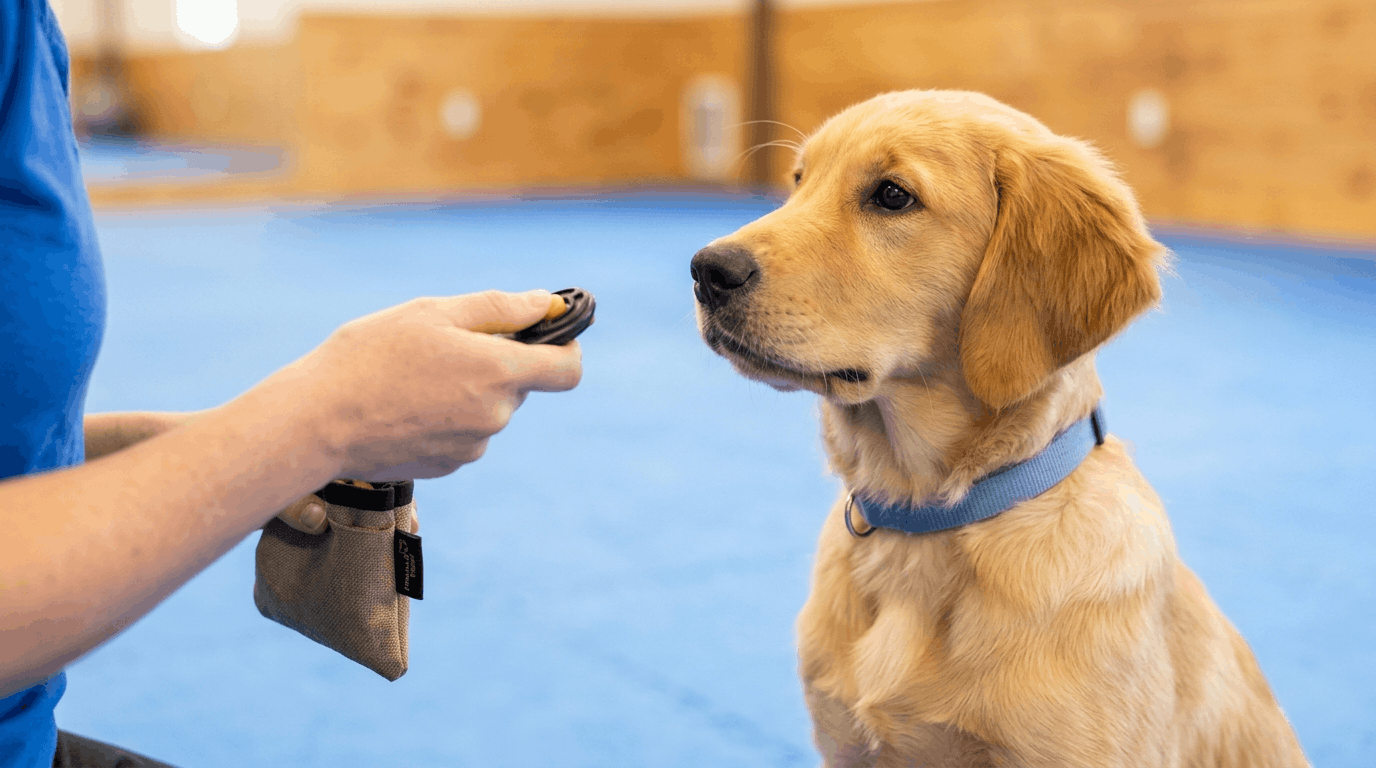
The right leash training programs can completely transform how your dog behaves during walks. Many dog owners struggle with pulling, lunging, or constant distractions, which quickly turn what should be a relaxing activity into a daily frustration. However, when you follow structured leash training programs, you give your dog clear guidance and consistent expectations. As a result, your dog begins to understand how to walk calmly beside you instead of reacting to every stimulus around them.
While some owners try random techniques, lasting results usually come from a system that builds skills step by step. That is why leash training programs are so effective. They focus on consistency, timing, and gradual progress rather than quick fixes. When applied correctly, these programs help create calm, controlled behavior that carries over into real-world environments.
Why Structured Training Works Better
Many dogs fail to improve simply because their training lacks structure. Without a clear plan, it becomes difficult to measure progress or maintain consistency. In contrast, leash training programs provide a roadmap that guides both the owner and the dog through each stage of learning.
These programs often begin with basic focus exercises in low-distraction environments. Then, they gradually introduce more challenging situations. This progression helps dogs build confidence while learning to manage distractions. Because of this, leash training programs reduce overwhelm and improve success rates.
Additionally, structured training prevents common mistakes. For example, many owners unknowingly reward pulling by continuing to walk. A well-designed program eliminates these habits by teaching you how to respond consistently. Over time, your dog learns that calm behavior leads to rewards, while pulling does not.
Core Elements Of Effective Programs
Not all training systems are equal, so it is important to understand what makes leash training programs effective. The best programs share several key elements that work together to produce results.
First, they focus on attention. Before a dog can walk calmly, they must learn to focus on their handler. Therefore, exercises that build engagement are often introduced early. This creates a strong foundation for all future training.
Second, they emphasize timing. Rewards and corrections must happen at the right moment to be effective. Good leash training programs teach owners how to respond quickly and clearly. As a result, dogs learn faster and with less confusion.
Third, they rely on repetition and consistency. Dogs learn through repeated experiences, so practicing regularly is essential. Programs that encourage daily practice tend to deliver better results than those based on occasional sessions.
Building Skills Step By Step
One of the biggest advantages of leash training programs is their step-by-step approach. Instead of expecting immediate perfection, they break the process into manageable stages. This makes learning easier for both you and your dog.
In the beginning, most programs focus on teaching loose leash walking indoors or in a quiet area. This allows your dog to learn without distractions. Once they understand the basics, you gradually move outside and increase the level of difficulty.
As you progress, your dog learns to stay calm even in stimulating environments. This gradual exposure is critical because it prevents overwhelm. By following leash training programs, you create steady improvement rather than inconsistent results.
Common Techniques Used In Programs
Although different methods exist, many leash training programs use similar techniques. These techniques are proven to help dogs develop better walking habits over time.
One common approach is stopping when your dog pulls. This teaches them that pulling does not lead to forward movement. While it may slow your walk initially, it creates a clear connection between behavior and outcome.
Another technique involves rewarding calm walking. Each time your dog walks beside you without pulling, you reinforce that behavior with praise or treats. Over time, your dog begins to prefer calm walking because it leads to rewards.
Redirection is also widely used. When your dog becomes distracted, you guide their attention back to you. This helps them learn to stay focused even when distractions are present. Together, these techniques form the backbone of many successful leash training programs.
Choosing The Right Program For Your Dog
With so many options available, selecting the right program can feel overwhelming. However, the best leash training programs are those that match your dog’s personality and your lifestyle.
Some dogs respond well to structured routines, while others need a more flexible approach. Therefore, consider your dog’s energy level, temperament, and past experiences. This helps you choose a program that fits their needs.
It is also important to choose a program you can follow consistently. Even the best leash training programs will not work if they are not applied regularly. Simplicity and practicality often lead to better long-term results.
Avoiding Quick Fix Solutions
Many products promise instant results, but real change takes time. While tools can support training, they should not replace it. Effective leash training programs focus on teaching behavior rather than forcing it.
Quick fixes often rely on discomfort or control, which may stop pulling temporarily. However, they do not address the underlying cause. As a result, the behavior often returns or worsens.
Instead, focus on programs that build understanding and trust. When your dog learns why calm walking is beneficial, they are more likely to maintain that behavior long term.
Consistency Creates Lasting Results
Consistency is the most important factor in any training plan. Without it, even the best leash training programs will fail to deliver results. Every walk is an opportunity to reinforce good habits or unintentionally reward bad ones.
Make sure you apply the same rules every time you walk your dog. If pulling is not allowed, then it should never be allowed. This clarity helps your dog learn faster and reduces confusion.
Additionally, involve everyone in your household. When all family members follow the same approach, your dog receives consistent signals. This strengthens the effectiveness of leash training programs and speeds up progress.
Tracking Progress And Adjusting Your Approach
Progress may not always be linear, so it is important to track improvements over time. Leash training programs often include milestones that help you measure success. These can include longer periods of loose leash walking or better focus around distractions.
If progress slows, adjust your approach rather than giving up. For example, you may need to return to a quieter environment or increase rewards. Flexibility allows you to overcome challenges without losing momentum.
By staying patient and observant, you can continue improving your dog’s behavior step by step.
Building A Better Walking Experience
Ultimately, the goal of leash training programs is not just to stop pulling, but to create a positive walking experience. When your dog walks calmly beside you, outings become more enjoyable and less stressful.
This improvement also strengthens your relationship. As communication becomes clearer, your dog feels more secure and responsive. Over time, walks turn into opportunities for bonding rather than frustration.
With the right approach, even the most challenging behaviors can improve. The key is to stay consistent, patient, and committed to the process.
Conclusion
Leash training programs offer a structured and effective way to improve your dog’s behavior during walks. By focusing on consistency, timing, and gradual progress, these programs help create lasting change. While results may take time, the benefits are well worth the effort.
As you continue practicing, your dog will become more focused, calm, and responsive. Eventually, walks will feel relaxed and enjoyable rather than stressful. In the end, the success of leash training programs comes from your commitment to guiding your dog with patience and clarity.
FAQ
- How long does it take to see results with a training program?
Most dogs show improvement within a few weeks, especially with daily practice and consistency. - Can older dogs benefit from structured leash training?
Yes, dogs of any age can learn new habits with the right approach and consistent training. - Do I need professional help to train my dog on a leash?
Many owners succeed with self-guided methods, but professional guidance can speed up progress. - What should I do if my dog gets distracted easily?
Start training in low-distraction environments and gradually increase difficulty as your dog improves. - Are training tools necessary for better leash behavior?
Tools can help, but consistent training and clear communication are the most important factors.