Many dog owners focus heavily on training sessions, commands, and outdoor behavior while overlooking one of the most important influences on canine behavior: the home environment itself. Dogs spend most of their lives inside the home, which means daily routines, emotional energy, structure, and consistency strongly shape their habits and emotional balance. Creating an environment that supports calm learning and emotional security helps encourage healthier behavior naturally. Good dog behavior often develops more easily when dogs feel safe, mentally fulfilled, and emotionally balanced inside their living space.
Dogs thrive in environments that feel predictable and understandable. Chaos, inconsistency, overstimulation, and unclear boundaries often create stress, frustration, or impulsive behavior over time.
Many unwanted behaviors begin because dogs lack structure rather than intelligence or willingness to learn.
Fortunately, small changes inside the home can significantly improve focus, emotional regulation, and everyday manners.
Calm routines, proper enrichment, consistent expectations, and emotional balance all contribute to healthier behavior patterns.
Importantly, supportive home environments do not require perfection or strict control. Instead, they encourage dogs to feel secure while understanding clear expectations naturally.
A balanced home helps dogs develop confidence, calmness, and stronger communication skills that extend into every area of life.
Why Environment Shapes Behavior
Dogs constantly learn from their surroundings, even when formal training is not happening.
Good dog behavior develops through repeated daily experiences that shape emotional responses and habits over time.
For example, dogs living in chaotic environments often struggle settling calmly because overstimulation becomes their normal emotional state.
Similarly, inconsistent rules create confusion because dogs never fully understand what behavior owners expect.
Dogs rely heavily on patterns and predictability to feel emotionally secure.
Calm organized environments reduce stress while helping dogs process information more effectively.
Importantly, environment influences emotional balance as much as obedience itself. Nervous, overstimulated, or frustrated dogs usually struggle making calm decisions consistently.
Creating supportive surroundings helps dogs succeed naturally rather than constantly correcting unwanted behavior afterward.
The Importance of Consistent Routines
Routine creates emotional stability for dogs because predictable schedules reduce uncertainty significantly.
Good dog behavior improves when feeding, walks, rest periods, playtime, and training happen consistently throughout the day.
Dogs that know what to expect often feel calmer because daily life feels structured and emotionally manageable.
Consistent schedules also help regulate energy levels and emotional arousal naturally.
For example, dogs receiving exercise at random unpredictable times may become restless or overexcited throughout the day.
Meanwhile, dogs following stable routines usually settle more comfortably because their needs receive regular fulfillment.
Routine does not mean rigid perfection. However, general consistency strongly supports emotional security and healthier daily behavior overall.
Creating Calm Energy Inside the Home
Dogs respond heavily to emotional energy within the household.
Good dog behavior becomes easier when owners maintain calm communication and balanced emotional reactions consistently.
Yelling, frustration, chaotic movement, or constant tension often increase canine stress and impulsive behavior.
Dogs frequently mirror emotional energy from the people around them.
Calm voices, predictable interactions, and relaxed body language help dogs feel emotionally safer indoors.
Owners should avoid unintentionally rewarding hyperactive or frantic behavior with excessive excitement or attention constantly.
Encouraging calm greetings, quiet relaxation, and emotional self-control teaches dogs healthier behavioral patterns naturally.
Small emotional shifts inside the home often create surprisingly large behavioral improvements over time.
Mental Stimulation Prevents Frustration
Many behavior problems develop because dogs feel mentally under-stimulated rather than intentionally disobedient.
Good dog behavior improves dramatically when dogs receive proper mental enrichment alongside physical exercise.
Puzzle toys, scent games, obedience training, chew activities, and problem-solving tasks all help dogs use their minds constructively.
Dogs naturally need opportunities to think, explore, and process information.
Without mental stimulation, boredom often turns into chewing, barking, digging, pacing, or attention-seeking behavior.
Importantly, mental enrichment also helps dogs relax emotionally because fulfilled minds create calmer emotional states overall.
Even short enrichment sessions throughout the day can improve focus and emotional balance significantly.
Teaching Dogs How to Relax
Many dogs never fully learn how to settle calmly indoors because owners unintentionally reinforce constant excitement or attention-seeking behavior.
Good dog behavior includes the ability to rest peacefully without needing nonstop stimulation or interaction.
Owners should reward calm relaxation naturally throughout the day.
Quiet praise, comfortable resting spaces, and calm household routines help dogs understand that relaxation feels rewarding too.
Dogs benefit greatly from learning emotional self-control instead of remaining constantly alert or stimulated.
Background noise, busy environments, or excessive interruptions sometimes prevent dogs from settling comfortably.
Dedicated quiet periods help dogs decompress emotionally while improving overall behavior and emotional regulation.
Why Boundaries Create Security
Clear boundaries help dogs understand expectations while reducing emotional confusion significantly.
Good dog behavior becomes more consistent when household rules remain stable and predictable.
Dogs struggle when one family member allows behaviors that another person discourages completely.
Mixed signals often create frustration because dogs cannot predict outcomes reliably.
Boundaries should remain calm and fair rather than harsh or intimidating.
For example, teaching dogs where they may rest, how to greet people politely, or how to wait calmly for meals helps create emotional structure.
Dogs generally feel safer when expectations remain clear and consistent across daily interactions.
Exercise Supports Emotional Balance
Physical activity plays a major role in behavioral health and emotional stability.
Good dog behavior often becomes much easier once dogs receive appropriate daily exercise suited to their breed, age, and energy level.
Dogs with excess physical energy frequently struggle settling calmly indoors.
However, balanced exercise matters more than exhausting dogs completely through nonstop activity.
Structured walks, scent exploration, play sessions, and interactive games all support healthier emotional regulation naturally.
Importantly, overstimulation from excessive exercise may actually increase arousal in some highly energetic dogs.
Balanced movement paired with mental enrichment creates healthier emotional outcomes overall.
Creating Safe Spaces for Dogs
Dogs need areas where they can relax without feeling pressured, overstimulated, or constantly interrupted.
Good dog behavior improves when dogs feel emotionally safe inside their home environment.
Crates, quiet rooms, comfortable beds, or calm corners help dogs decompress during stressful moments.
Safe spaces become especially important in busy households with children, visitors, or high activity levels.
Dogs that lack opportunities for quiet recovery often remain emotionally overwhelmed and reactive throughout the day.
Owners should respect resting spaces while teaching children and guests to avoid disturbing dogs unnecessarily during quiet periods.
Calm recovery spaces support healthier nervous system regulation and emotional stability long term.
Positive Reinforcement Encourages Better Choices
Dogs repeat behaviors that consistently create rewarding outcomes.
Good dog behavior develops more effectively through encouragement and positive reinforcement than through punishment alone.
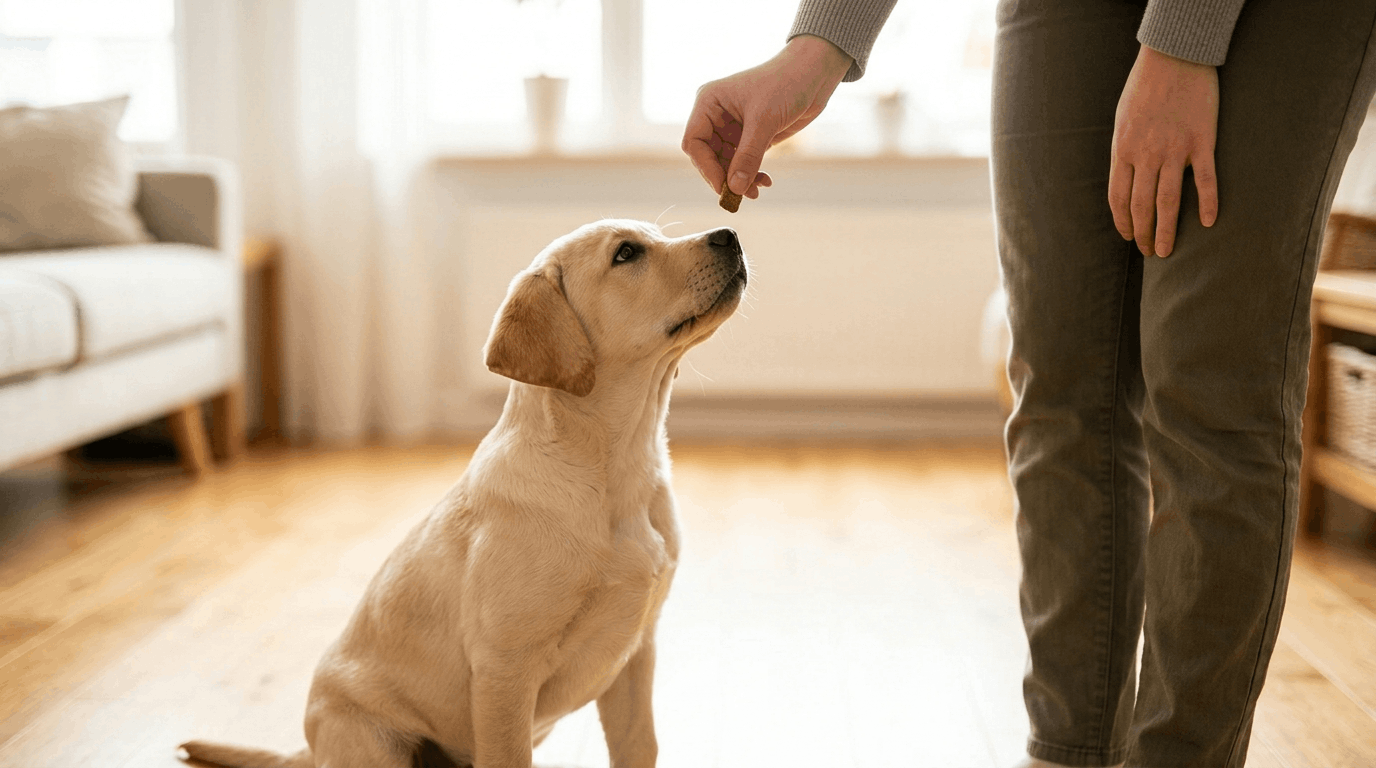
Rewarding calm greetings, polite behavior, quiet relaxation, and focus teaches dogs which behaviors owners value most.
Rewards may include treats, praise, toys, affection, or access to enjoyable activities depending on the dog’s preferences.
Importantly, owners should notice good behavior proactively rather than only reacting to mistakes constantly.
Dogs that feel successful and understood usually become more engaged and emotionally balanced over time.
Positive reinforcement also strengthens trust and communication throughout the relationship.
Avoiding Overstimulation Indoors
Modern homes often expose dogs to constant stimulation from televisions, visitors, noise, movement, and unpredictable activity.
Good dog behavior sometimes improves simply by reducing environmental stress and overstimulation inside the home.
Highly sensitive dogs especially benefit from calmer quieter environments.
Too much stimulation may increase barking, restlessness, reactivity, or emotional exhaustion.
Owners should balance activity and excitement with opportunities for quiet decompression daily.
Soft music, calm lighting, quiet routines, and structured downtime all help dogs regulate emotional energy more effectively.
Reducing overstimulation supports calmer thinking and healthier behavior naturally.
Training Should Happen Throughout the Day
Many owners treat training as separate scheduled sessions only. However, dogs learn constantly during everyday interactions.
Good dog behavior develops most effectively when owners reinforce calm habits naturally throughout daily life.
Simple moments such as waiting calmly at doors, relaxing quietly, or responding politely during greetings all become valuable training opportunities.
Consistent small interactions shape long-term habits more powerfully than occasional intense training sessions alone.
Owners should therefore focus on everyday communication and emotional consistency regularly.
Training integrated naturally into household routines feels less stressful while producing stronger behavioral results over time.
Socialization Inside the Home Matters Too
Dogs need positive experiences with different people, sounds, routines, and situations to build emotional confidence.
Good dog behavior often improves when dogs feel comfortable and secure around normal household activity.
Controlled exposure to guests, grooming routines, household appliances, and mild environmental changes helps dogs develop resilience naturally.
Importantly, socialization should remain calm and positive rather than overwhelming or chaotic.
Fearful experiences may increase anxiety and behavioral struggles instead of building confidence.
Gradual supportive exposure helps dogs feel emotionally safer in different situations while improving adaptability overall.
How Owners Influence Household Behavior
Dogs rely heavily on human guidance for emotional balance and behavioral consistency.
Good dog behavior becomes easier when owners remain patient, calm, and emotionally predictable during daily interactions.
Frustration, inconsistency, or emotional overreaction often confuse dogs and increase stress unnecessarily.
Owners should focus on teaching desired behavior calmly instead of constantly reacting to unwanted behavior emotionally.
Dogs learn most effectively through repetition, clarity, and supportive communication.
Patience remains especially important because long-term habits develop gradually over time.
Calm leadership creates emotional stability that strongly influences canine behavior inside the home.
Building a Home That Encourages Success
Dogs thrive in environments that support emotional security, healthy routines, and consistent communication.
Good dog behavior rarely develops through punishment or correction alone. Instead, it grows gradually through supportive daily experiences that encourage calmness, confidence, and emotional balance.
Structured routines, mental stimulation, physical exercise, positive reinforcement, and clear boundaries all help dogs understand how to succeed naturally.
Importantly, owners should focus on emotional wellness as much as obedience itself.
Dogs that feel safe, mentally fulfilled, and emotionally balanced usually display calmer and more cooperative behavior throughout daily life.
Small environmental adjustments often create surprisingly meaningful behavioral improvements over time.
Ultimately, the goal is not perfect robotic obedience. Instead, owners should create homes where dogs feel secure enough to make healthier choices consistently.
With patience, structure, and calm communication, nearly any home can become a more supportive environment that encourages better behavior, stronger trust, and a healthier relationship overall.
FAQ
1. Why does routine help dogs behave better?
Predictable routines reduce stress and help dogs understand daily expectations more clearly.
2. Can mental stimulation reduce unwanted behavior?
Yes. Enrichment activities often reduce boredom, frustration, and impulsive behavior naturally.
3. Should dogs have quiet spaces inside the home?
Yes. Calm resting areas help dogs decompress and regulate emotional stress effectively.
4. How does owner behavior influence dogs?
Dogs often mirror emotional energy, consistency, and communication patterns from their owners.
5. Is positive reinforcement better than punishment?
Positive reinforcement usually creates stronger trust, emotional confidence, and long-term behavioral success.