
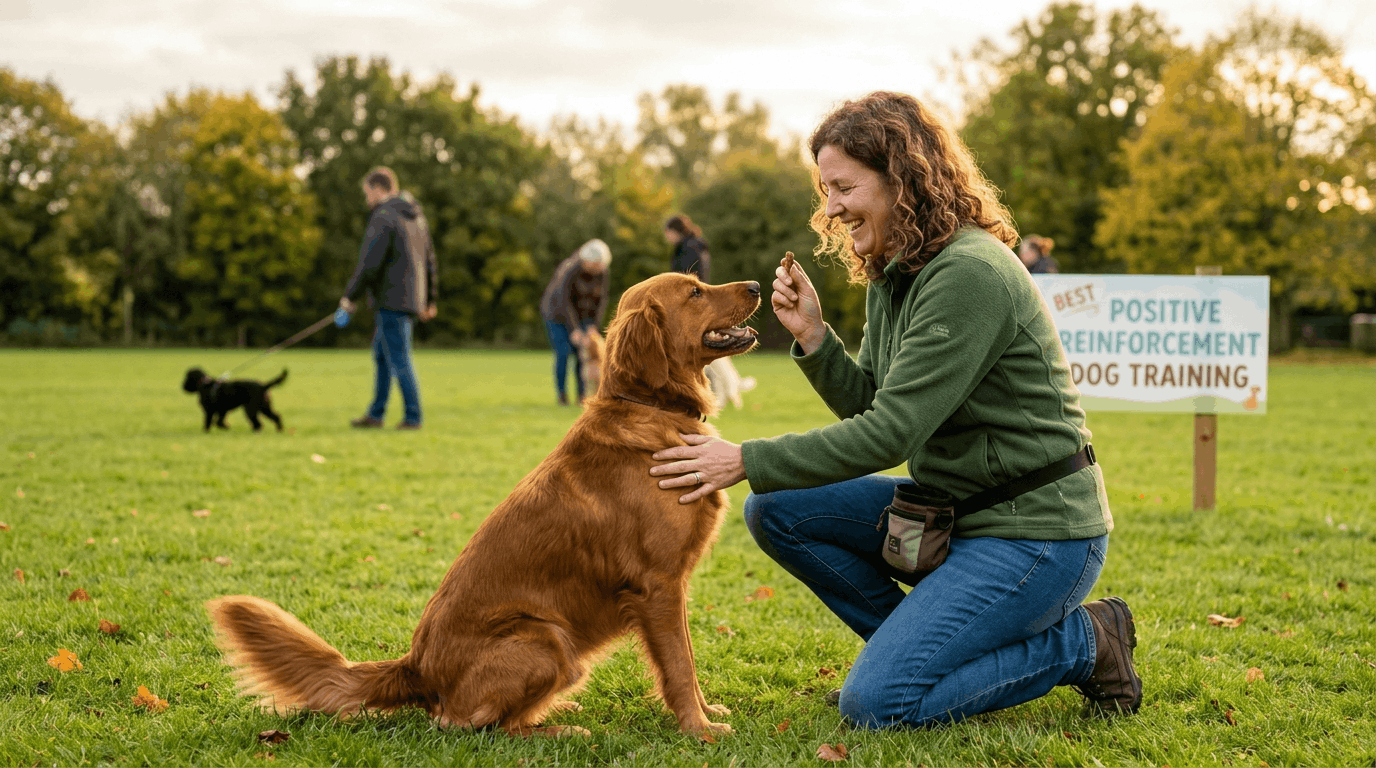
Finding the right approach to train your dog can feel overwhelming, especially with so many options available today. However, choosing from the best dog training courses can make a huge difference in how quickly and effectively your dog learns. Instead of relying on guesswork, structured programs provide clear guidance, helping you build consistency, confidence, and trust with your pet.
Many dog owners struggle with common issues like barking, pulling on the leash, or ignoring commands. These behaviors are not signs of stubbornness but often a result of unclear communication or lack of structure. Because of this, the best dog training courses focus on teaching both the dog and the owner, creating a balanced and effective learning environment. With the right system in place, even challenging behaviors can improve over time.
Why Structured Dog Training Courses Work
Structured programs succeed because they follow a step-by-step process rather than random training attempts. Dogs thrive on repetition and clarity, so when lessons are consistent, they learn faster. Moreover, the best dog training courses break complex behaviors into smaller, manageable steps, making training less frustrating for both you and your dog.
Consistency is another key factor. When you follow a course, you develop a routine that your dog begins to recognize. As a result, your dog feels more secure and understands what is expected. This clarity reduces confusion and helps prevent unwanted behaviors from forming in the first place.
In addition, structured courses often include troubleshooting tips. This is important because not every dog learns at the same pace. Therefore, having guidance when challenges arise ensures you stay on track instead of giving up too early.
Online Dog Training Programs
Online training has become increasingly popular, and for good reason. Many of the best dog training courses are now available online, offering flexibility and convenience. You can train your dog at your own pace, revisit lessons, and practice in your home environment where your dog feels most comfortable.
These programs often include video demonstrations, which help you understand techniques more clearly. Seeing a trainer work with a dog provides valuable insight that written instructions alone cannot offer. Additionally, online courses allow you to pause, rewind, and repeat lessons, ensuring you fully grasp each step before moving forward.
However, success with online training depends on your commitment. Since there is no in-person supervision, you must stay consistent and follow the program closely. When done correctly, online options can be among the best dog training courses available today.
In-Person Training Classes
While online learning offers convenience, in-person classes provide hands-on guidance that can be incredibly valuable. These classes allow a professional trainer to observe your dog’s behavior and correct mistakes in real time. Because of this, many pet owners consider them among the best dog training courses for faster progress.
Group classes also introduce controlled distractions, which are essential for real-world obedience. Your dog learns to focus even when other dogs and people are nearby. This skill is especially important for improving behavior in public settings.
Additionally, in-person training helps build confidence for both you and your dog. Having a trainer nearby reassures you that you are using the correct techniques, while your dog benefits from clear and consistent feedback.
Positive Reinforcement Training Courses
One of the most effective approaches used in the best dog training courses is positive reinforcement. This method focuses on rewarding desired behaviors rather than punishing unwanted ones. As a result, dogs learn to associate good behavior with positive outcomes.
Rewards can include treats, praise, or playtime. Over time, your dog begins to repeat behaviors that lead to rewards, making training more enjoyable and effective. Furthermore, this approach strengthens the bond between you and your dog, creating a relationship based on trust rather than fear.
Because positive reinforcement encourages learning without stress, it is widely recommended by trainers and behavior experts. It also works well for dogs of all ages, from puppies to older pets.
Specialized Behavior Training Programs
Some dogs require more targeted training, especially if they struggle with specific issues like aggression, anxiety, or excessive barking. In these cases, specialized programs can be among the best dog training courses to consider.
These courses focus on understanding the root cause of the behavior and addressing it with tailored techniques. For example, a dog with anxiety may benefit from gradual exposure and calming exercises, while an aggressive dog may require controlled socialization and behavior modification.
Although these programs often take more time, they provide long-term solutions rather than temporary fixes. With patience and consistency, even serious behavior problems can improve significantly.
Puppy Training Courses For Early Success
Starting training early gives your dog a strong foundation for future behavior. Puppy courses are designed to teach basic commands, socialization, and good habits from the beginning. Because of this, they are often considered some of the best dog training courses for long-term success.
During the early stages, puppies are highly receptive to learning. Therefore, introducing structure and routine helps prevent bad habits from forming. These courses also teach essential skills like potty training, leash walking, and responding to commands.
In addition, early training builds confidence. Puppies that are exposed to different environments, people, and experiences tend to grow into well-adjusted adult dogs. This makes early education one of the most valuable investments you can make.
How To Choose The Right Course
With so many options available, choosing the right program can feel challenging. However, focusing on your dog’s needs makes the decision easier. For example, a high-energy dog may benefit from structured obedience training, while a shy dog may need confidence-building exercises.
The best dog training courses also align with your schedule and lifestyle. If you have limited time, an online course may be more practical. On the other hand, if you prefer hands-on guidance, in-person classes might be a better fit.
It is also important to look for courses that emphasize humane training methods. Avoid programs that rely on punishment or fear, as these can damage your dog’s trust and create long-term issues.
Common Mistakes To Avoid During Training
Even with the best intentions, certain mistakes can slow your progress. One common error is inconsistency. If commands and rules change frequently, your dog becomes confused and struggles to learn.
Another mistake is expecting instant results. Training takes time, and rushing the process often leads to frustration. Instead, focus on small improvements and celebrate progress along the way.
Additionally, many owners unintentionally reward bad behavior. For example, giving attention to a barking dog can reinforce the behavior. Therefore, understanding how your actions influence your dog is essential for success.
Building A Strong Training Routine
A consistent routine plays a major role in achieving results. Short, regular training sessions are more effective than long, irregular ones. Ideally, sessions should last around 10 to 15 minutes and be repeated daily.
The best dog training courses often emphasize repetition and gradual progression. By practicing regularly, your dog begins to understand expectations more clearly. Over time, this consistency leads to lasting behavioral changes.
Incorporating training into daily activities also helps reinforce learning. Simple actions like asking your dog to sit before meals or wait at the door can strengthen obedience naturally.
Tracking Progress And Staying Motivated
Progress in training is not always linear, so it is important to stay patient. Some days will feel more successful than others, but that is completely normal. Keeping track of improvements can help you stay motivated and focused.
The best dog training courses encourage setting realistic goals. Instead of aiming for perfection, focus on gradual improvement. For example, if your dog responds to a command more consistently than before, that is a meaningful step forward.
Celebrating small wins keeps both you and your dog engaged in the process. Positive experiences make training enjoyable, which increases the likelihood of long-term success.
Conclusion
Training your dog does not have to be a stressful or confusing process. By choosing from the best dog training courses, you can create a clear path toward better behavior and stronger communication. Whether you prefer online programs, in-person classes, or specialized training, the key is consistency and patience.
Over time, the effort you invest will pay off in the form of a well-behaved, confident dog. More importantly, training strengthens the bond you share, making everyday life more enjoyable for both of you. With the right approach and mindset, lasting results are absolutely achievable.
FAQ
- What makes a dog training program effective?
An effective program provides clear steps, consistent methods, and focuses on positive reinforcement to encourage learning. - Are online dog training programs reliable?
Yes, many online programs work well when followed consistently, especially those with video demonstrations and structured lessons. - How long does it take to train a dog properly?
Training timelines vary, but most dogs show improvement within a few weeks of consistent practice. - Is positive reinforcement better than punishment?
Yes, reward-based methods build trust and encourage repeat behavior without creating fear or stress. - Can older dogs still learn new behaviors?
Absolutely, dogs of any age can learn with the right approach, patience, and consistent training.