
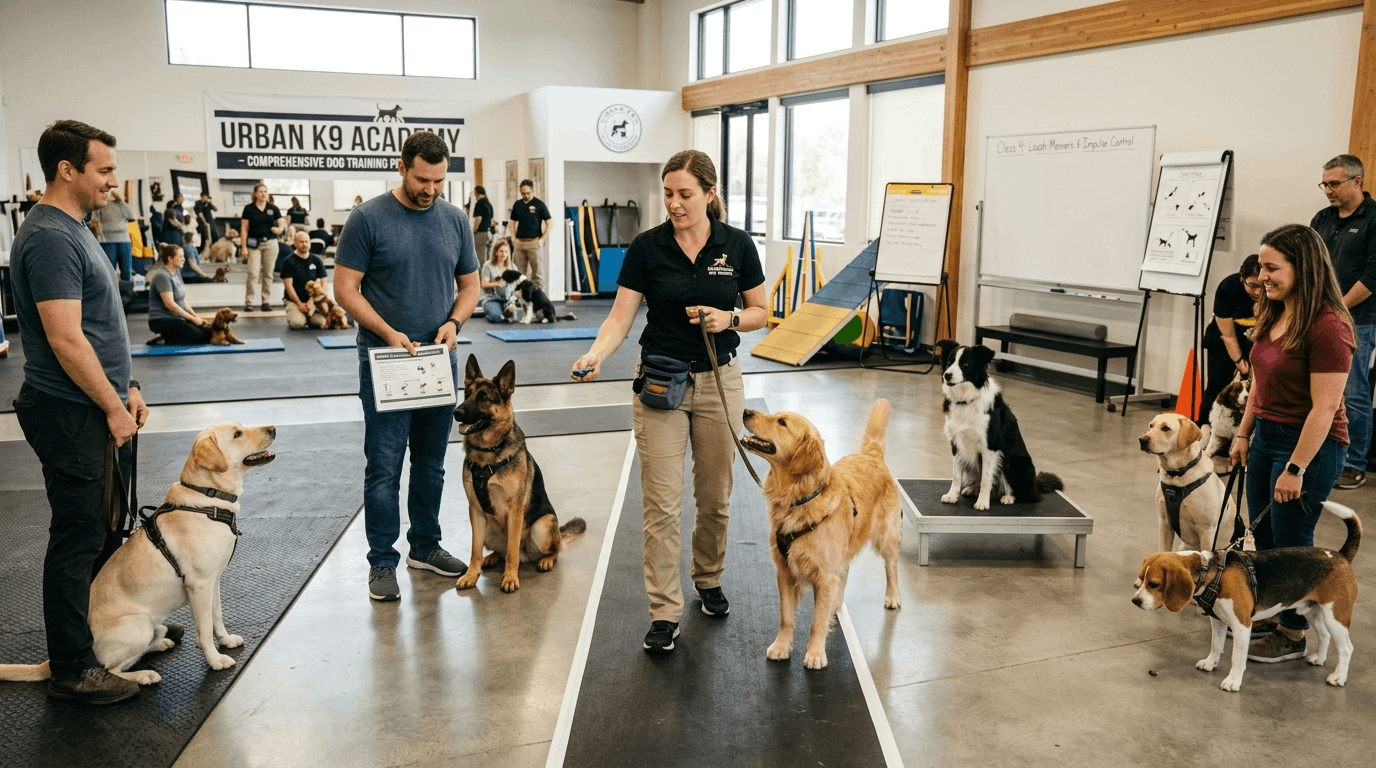
Every dog owner hopes for calm walks, good manners, reliable obedience, and peaceful behavior at home. However, many dogs struggle with pulling, jumping, barking, chewing, or ignoring commands consistently. While these problems can feel frustrating, they often improve significantly through the right structure and guidance. Effective dog training programs help dogs build emotional balance, communication skills, and healthier habits that strengthen the relationship between dogs and owners over time.
Training involves much more than teaching commands alone. Dogs also need emotional regulation, confidence, consistency, and mental engagement in order to behave calmly in everyday life.
Some owners expect quick fixes or instant obedience, yet long-term success usually develops through steady repetition and supportive learning experiences.
Different dogs also require different approaches depending on age, temperament, breed tendencies, confidence levels, and lifestyle needs.
Fortunately, modern training methods now focus more heavily on relationship-building, positive reinforcement, and emotional balance instead of fear-based correction techniques.
The best programs help dogs understand expectations clearly while encouraging calm thinking and stronger focus naturally.
Whether owners work with puppies, rescue dogs, or energetic adult dogs, choosing supportive and consistent training methods can create major improvements in daily behavior and emotional well-being.
Why Structured Training Matters
Dogs naturally learn from every experience, whether owners intentionally train them or not. Without structure, dogs often develop habits based on excitement, confusion, or impulsive behavior instead of calm communication.
Dog training programs create predictable routines that help dogs understand boundaries and expectations more clearly.
Structure helps reduce anxiety and frustration because dogs learn how to succeed consistently.
Dogs thrive when life feels understandable and emotionally safe. Clear communication and predictable outcomes improve emotional stability significantly.
Training also strengthens trust between dogs and owners. Dogs that understand guidance and routines often become calmer and more responsive overall.
Importantly, structured training prevents unwanted behaviors from becoming deeply established habits.
Small daily routines and repeated practice sessions gradually shape long-term behavior patterns more effectively than occasional correction alone.
Training creates healthier communication systems that support emotional confidence and better decision-making during everyday situations.
Positive Reinforcement Builds Better Behavior
Modern dog training programs increasingly rely on positive reinforcement because dogs learn more effectively through encouragement and clear rewards.
Positive reinforcement means rewarding behaviors owners want repeated rather than focusing only on mistakes.
Rewards may include treats, praise, toys, playtime, or access to enjoyable activities depending on the individual dog.
Dogs repeat behaviors that create rewarding outcomes consistently.
Positive methods also strengthen emotional trust because dogs feel safe and supported during learning experiences.
Harsh punishment often creates fear, confusion, or emotional shutdown instead of genuine understanding.
Dogs trained through positive reinforcement usually become more engaged, confident, and willing to cooperate long term.
Importantly, positive training still includes boundaries and consistency. Encouragement does not mean allowing chaotic behavior without structure.
Clear expectations paired with rewarding communication create healthier emotional learning environments overall.
Puppy Training Programs Create Early Success
Early training strongly influences long-term behavior patterns. Puppies learn rapidly during developmental stages, which makes early guidance extremely valuable.
Dog training programs designed for puppies usually focus on socialization, confidence-building, house manners, and emotional regulation.
Puppies benefit greatly from learning calm leash behavior, crate comfort, impulse control, and polite social interaction early in life.
Socialization matters especially because puppies exposed positively to people, sounds, environments, and experiences often develop greater emotional confidence later.
Owners should prioritize gentle positive exposure rather than overwhelming puppies with chaotic situations too quickly.
Short consistent training sessions work best for young dogs because puppies process information in smaller emotional bursts.
Patience remains essential during puppy training since emotional maturity develops gradually over time.
Strong early foundations often prevent many future behavior problems before they fully develop.
Obedience Programs Improve Everyday Communication
Basic obedience remains one of the most useful forms of training because it improves communication and daily safety significantly.
Dog training programs focused on obedience usually teach commands such as sit, stay, come, leave it, down, and loose leash walking.
These skills help dogs navigate everyday situations more calmly and safely.
Reliable recall can prevent dangerous situations outdoors, while impulse control commands help reduce jumping, barking, or grabbing behaviors.
Obedience training also strengthens engagement between dogs and owners because dogs learn how to respond consistently to communication.
Importantly, obedience should not feel robotic or emotionally harsh. Calm cooperation matters more than strict perfection during every interaction.
Dogs learn best when training feels rewarding, predictable, and emotionally supportive overall.
Leash Training Programs Reduce Pulling
Walking politely on a leash remains one of the biggest challenges for many dog owners. Pulling, lunging, and distraction often create stressful outdoor experiences.
Dog training programs focused on leash manners teach dogs how to walk calmly while staying emotionally connected with their owners.
Loose leash walking requires impulse control, focus, and emotional regulation rather than physical restraint alone.
Dogs must learn how to process environmental stimulation calmly without becoming overwhelmed.
Many leash programs use positive reinforcement, engagement exercises, and gradual exposure to distractions.
Owners also learn how to communicate calmly while avoiding inconsistent handling habits that reinforce pulling accidentally.
Well-designed leash training improves safety and confidence for both dogs and owners significantly.
Confidence-Building Programs Help Nervous Dogs
Some dogs struggle emotionally because they feel fearful, anxious, or uncertain in everyday environments.
Dog training programs designed for nervous dogs focus heavily on emotional confidence and calm exposure rather than obedience alone.
Fearful dogs often need slower progression and greater emotional support during training.
Gradual exposure to new experiences paired with positive reinforcement helps dogs build resilience safely.
Owners should avoid forcing fearful dogs into overwhelming situations too quickly because excessive pressure often increases anxiety instead of reducing it.
Confidence-building programs help dogs recover from stress more calmly while improving trust and emotional stability.
Many rescue dogs especially benefit from supportive confidence-focused training because past experiences may have weakened emotional security previously.
Mental Stimulation Improves Behavior Naturally
Many behavior problems develop because dogs feel mentally under-stimulated rather than physically under-exercised alone.
Dog training programs that include mental enrichment often create calmer and more balanced behavior overall.
Puzzle toys, scent games, problem-solving activities, obedience practice, and interactive feeding exercises all support healthy mental engagement.
Mental stimulation helps reduce boredom, frustration, and impulsive behavior naturally.
Dogs that use their minds constructively often display better emotional regulation and focus during daily routines.
Training itself also provides cognitive stimulation because dogs actively process information and problem-solve during learning sessions.
Balanced mental engagement helps dogs feel more emotionally fulfilled while supporting calmer household behavior long term.
Consistency Creates Lasting Results
Many owners become discouraged because they expect immediate transformation after only a few training sessions.
However, dog training programs work best through repeated consistent practice over time.
Dogs build habits gradually through repetition and predictable outcomes.
Inconsistent rules or mixed communication often confuse dogs and slow progress significantly.
All family members should follow similar expectations whenever possible to help dogs understand boundaries clearly.
Consistency also applies emotionally. Calm patient handling creates healthier learning environments than frustration or emotional unpredictability.
Small daily improvements matter greatly because long-term habits develop through countless repeated experiences rather than dramatic breakthroughs alone.
Patience and repetition remain essential parts of successful training.
Group Classes Offer Valuable Social Learning
Many dogs benefit greatly from structured group classes led by experienced trainers.
Dog training programs held in group settings provide controlled opportunities for socialization and distraction training.
Dogs learn how to focus around other dogs, people, and environmental stimulation while practicing obedience skills safely.
Owners also gain valuable coaching and support from trainers during real-world situations.
Group classes often help owners improve timing, communication, and handling skills significantly.
Importantly, well-managed classes should feel supportive and emotionally safe rather than chaotic or intimidating.
Nervous dogs may initially need quieter environments before joining larger group settings comfortably.
Private Training Helps Specific Challenges
Some behavior problems require more individualized attention and customized guidance.
Dog training programs offered privately allow trainers to tailor strategies around specific household routines, emotional issues, or behavioral goals.
Private sessions often help with severe leash pulling, fear, reactivity, separation anxiety, or complex household behavior concerns.
Owners receive more personalized coaching while working within familiar environments where problems naturally occur.
Customized plans often improve progress because training directly addresses the dog’s emotional needs and lifestyle situation.
Private programs also help owners feel more confident handling difficult behavior challenges consistently.
Why Relationship-Based Training Works Best
Strong behavior grows from trust, communication, and emotional connection rather than fear or dominance.
The best dog training programs focus heavily on strengthening relationships between dogs and owners.
Dogs that trust their owners usually become more engaged, responsive, and emotionally balanced overall.
Relationship-based training encourages teamwork instead of constant conflict or correction.
Owners learn how to guide behavior calmly while understanding emotional triggers and communication patterns more effectively.
Dogs feel safer learning when they trust their owners emotionally.
This trust often improves more than obedience alone. Many dogs also become calmer, more confident, and more relaxed throughout daily life generally.
Avoiding Unrealistic Expectations
Many owners unintentionally create frustration by expecting perfect behavior too quickly.
Dog training programs require patience because emotional growth and habit formation take time.
Puppies mature gradually. Rescue dogs need adjustment periods. Fearful dogs require emotional support and confidence-building.
Progress usually appears through small improvements first rather than instant transformation.
Owners should celebrate calmer reactions, improved focus, or better recovery from distractions as meaningful progress.
Comparing dogs unfairly often creates unnecessary stress because every dog learns at different speeds depending on temperament and experience.
Training should feel sustainable and supportive instead of emotionally exhausting for either side.
Realistic expectations help owners stay patient and consistent long term.
Building Better Behavior Through Training
Well-behaved dogs rarely develop through luck alone. Calm manners, emotional balance, and reliable communication usually result from consistent guidance and supportive learning experiences over time.
Dog training programs help owners create healthier routines while teaching dogs how to navigate daily life calmly and confidently.
Positive reinforcement, mental stimulation, structured routines, and emotional support all contribute to long-term behavioral success.
Importantly, training should strengthen trust and communication instead of relying on fear or intimidation.
Dogs learn best when they feel emotionally secure and clearly understand expectations through consistent experiences.
Owners should also remember that progress develops gradually. Small daily improvements eventually build powerful long-term habits and stronger emotional confidence overall.
Ultimately, the goal of training extends far beyond obedience commands alone. Effective programs help dogs become calmer companions that feel emotionally balanced, mentally fulfilled, and deeply connected with their owners.
With patience, structure, and supportive guidance, most dogs can develop significantly better behavior while enjoying healthier and happier lives overall.
FAQ
1. What type of training works best for most dogs?
Positive reinforcement programs usually create strong long-term behavior and emotional confidence.
2. When should puppy training begin?
Training and socialization should begin early using calm and age-appropriate guidance.
3. Are group classes good for reactive dogs?
Some reactive dogs benefit from structured classes, although others may need private support first.
4. How long does dog training usually take?
Training progress varies depending on consistency, age, emotional confidence, and behavior history.
5. Can older dogs still learn new behaviors?
Yes. Adult and senior dogs can still learn effectively with patience and consistent practice.