
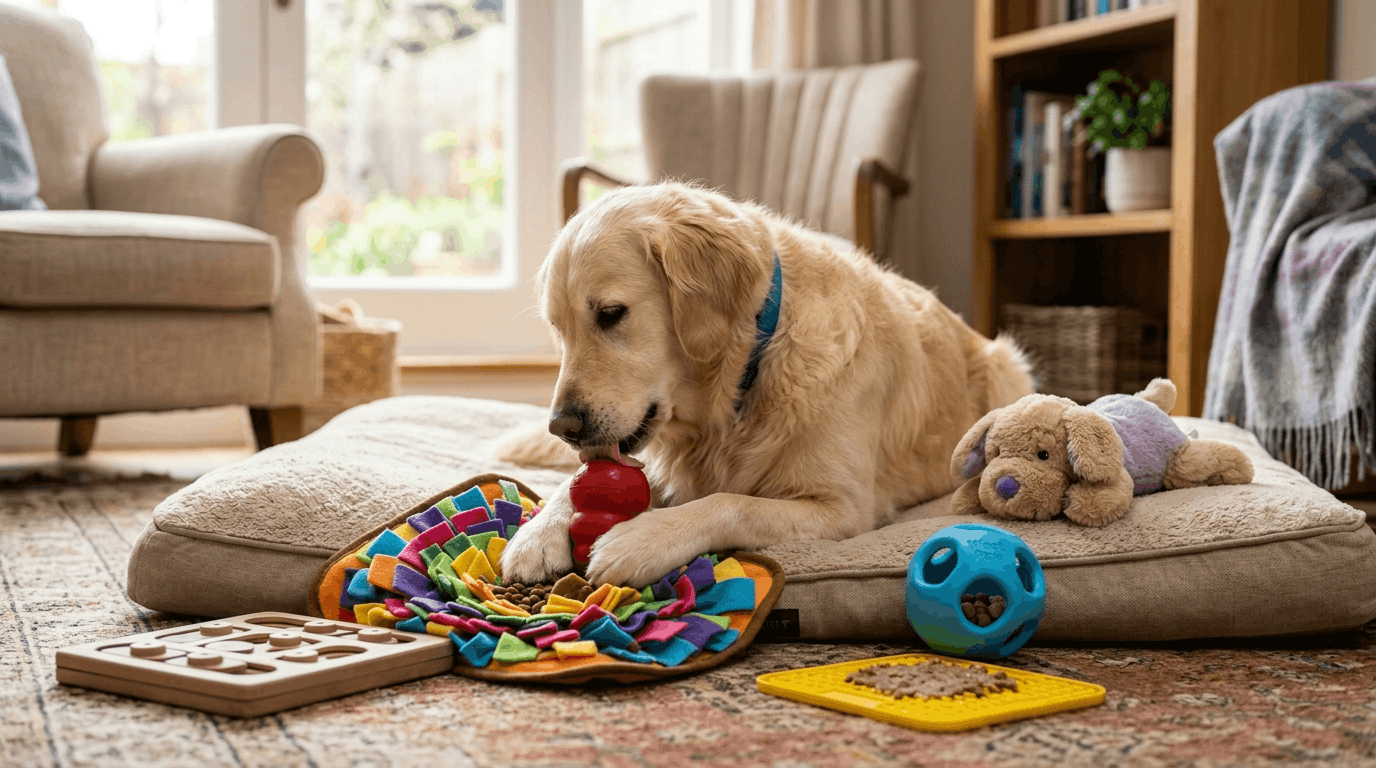
Separation anxiety is one of the most common challenges dog owners face, and it can affect both behavior and emotional well-being. Finding effective toys for separation anxiety can make a significant difference in how your dog copes when left alone. Dogs naturally seek comfort, stimulation, and reassurance, and without these, they may resort to destructive behavior or excessive barking. Because of this, the right toys can provide both distraction and emotional support.
When used correctly, toys for separation anxiety do more than just keep your dog busy. They help redirect nervous energy, encourage calm habits, and build confidence over time. While no single solution works instantly for every dog, combining the right toys with a thoughtful routine can lead to fast and noticeable improvements. With consistency, these tools help transform stressful moments into manageable experiences.
Why Separation Anxiety Happens In Dogs
Understanding the root cause of anxiety is the first step toward solving it. Dogs are social animals, and they naturally form strong bonds with their owners. When left alone, especially without preparation, they may feel uncertain or unsafe. Because of this, toys for separation anxiety become valuable tools in easing that transition.
Common triggers include sudden changes in routine, lack of mental stimulation, or previous negative experiences. Puppies and newly adopted dogs are particularly prone to anxiety because they are still adjusting to their environment. As a result, they may struggle more when left alone.
By addressing these underlying causes, you create a better foundation for success. While toys help manage symptoms, understanding your dog’s emotional needs ensures long-term improvement.
How Toys Help Calm Anxious Dogs
Toys provide both mental and physical engagement, which can reduce anxiety levels. When dogs focus on a task, such as solving a puzzle or chewing, their attention shifts away from stress. Therefore, toys for separation anxiety act as a positive distraction that keeps your dog occupied.
In addition, certain toys release rewards, such as treats, which reinforce calm behavior. This creates a connection between being alone and experiencing something enjoyable. Over time, your dog begins to associate your absence with positive outcomes.
Chewing also plays a role in stress relief. It releases tension and provides a soothing effect. Because of this, toys for separation anxiety often include durable chew options that promote relaxation.
Types Of Toys That Work Best
Not all toys are equally effective for managing anxiety. Choosing the right type depends on your dog’s personality, energy level, and preferences. However, some categories consistently deliver strong results when using toys for separation anxiety.
Interactive puzzle toys are highly effective because they challenge your dog’s mind. These toys require problem-solving, which keeps your dog engaged for longer periods. As a result, they are ideal for reducing boredom and stress.
Treat-dispensing toys are another excellent option. These toys reward your dog for interacting with them, creating a sense of achievement. Because they combine activity with rewards, they are among the most popular toys for separation anxiety.
Chew toys provide comfort and relaxation. Durable materials allow dogs to release tension safely. For many dogs, chewing becomes a calming routine that helps them cope with being alone.
Image Placement And Optimization
Image 1: Dog playing with a puzzle toy
Alt text: toys for separation anxiety puzzle toy
Image 2: Dog chewing a durable toy
Alt text: toys for separation anxiety chew toy
Image 3: Dog using a treat dispenser
Alt text: toys for separation anxiety treat toy
Introducing Toys The Right Way
Simply placing a toy in front of your dog is not always enough. To maximize effectiveness, toys for separation anxiety should be introduced gradually and positively. Begin by allowing your dog to explore the toy while you are present. This builds familiarity and confidence.
Next, associate the toy with positive experiences. For example, give the toy during calm moments or before short absences. This helps your dog connect the toy with comfort and reward. Over time, this association becomes stronger.
It is also important to rotate toys regularly. Dogs can lose interest if the same toy is always available. By introducing variety, you maintain excitement and engagement. This keeps toys for separation anxiety effective over the long term.
Creating A Calm Routine Around Toy Use
Routine plays a major role in managing anxiety. Dogs feel more secure when they know what to expect. Therefore, combining toys for separation anxiety with a consistent routine enhances their effectiveness.
Start by establishing a predictable departure routine. Avoid making a big event out of leaving, as this can increase anxiety. Instead, keep your actions calm and neutral. Offering a toy just before leaving helps shift your dog’s focus.
In addition, ensuring your dog gets enough exercise before being left alone is important. Physical activity reduces excess energy, making it easier for your dog to relax. When paired with toys for separation anxiety, this approach creates a balanced and calming routine.
Avoiding Common Mistakes
While toys can be highly effective, certain mistakes can limit their impact. One common issue is choosing toys that are too simple or too difficult. If a toy does not challenge your dog enough, it may not hold attention. On the other hand, overly complex toys can cause frustration.
Another mistake is using toys only during stressful moments. Instead, toys for separation anxiety should be part of a broader routine. Regular use helps reinforce positive associations and builds confidence.
Safety is also essential. Always choose toys made from durable, non-toxic materials. Regularly inspect them for damage to prevent accidents. By avoiding these mistakes, you ensure that your efforts remain effective and safe.
Supporting Emotional Independence
While toys provide immediate relief, the ultimate goal is to help your dog become more independent. Toys for separation anxiety are tools that support this process by encouraging self-soothing behavior.
Gradually increasing the time your dog spends alone helps build tolerance. During this process, toys act as a source of comfort and engagement. Over time, your dog learns that being alone is not something to fear.
In addition, reinforcing calm behavior when you return home strengthens this independence. Avoid overly excited greetings, as they can reinforce anxiety. Instead, maintain a balanced approach that encourages stability.
Long-Term Benefits Of Using The Right Toys
Using the right toys consistently leads to lasting improvements in behavior. Dogs that engage with toys for separation anxiety often show reduced stress, improved focus, and fewer destructive behaviors. These changes create a more peaceful home environment.
In addition, mental stimulation supports overall well-being. Dogs that remain mentally active are less likely to develop behavioral issues. This makes toys for separation anxiety an important part of daily care.
Over time, the combination of routine, training, and the right toys helps your dog develop confidence. This confidence reduces reliance on constant human presence and promotes a healthier emotional state.
Conclusion
Managing separation anxiety can feel challenging, but the right approach makes a significant difference. Toys for separation anxiety provide a practical and effective way to reduce stress, encourage calm behavior, and support emotional well-being. By choosing suitable toys, introducing them properly, and combining them with a consistent routine, you can help your dog cope more comfortably with being alone.
While results may vary, patience and consistency lead to lasting improvements. Over time, your dog will learn to associate independence with positive experiences. Ultimately, toys for separation anxiety are not just distractions; they are valuable tools that help build confidence and create a more balanced, happy dog.
FAQ
- What type of toy works best for anxious dogs?
Interactive and treat-dispensing toys are often the most effective for keeping dogs engaged. - How long should my dog use these toys daily?
Use them during alone time or short sessions to maintain interest and effectiveness. - Can toys completely stop separation anxiety?
They help reduce symptoms, but combining them with training gives the best results. - Are chew toys good for stress relief?
Yes, chewing helps release tension and provides a calming effect for many dogs. - How do I know if a toy is working?
If your dog stays engaged and shows less stress, the toy is likely effective.