
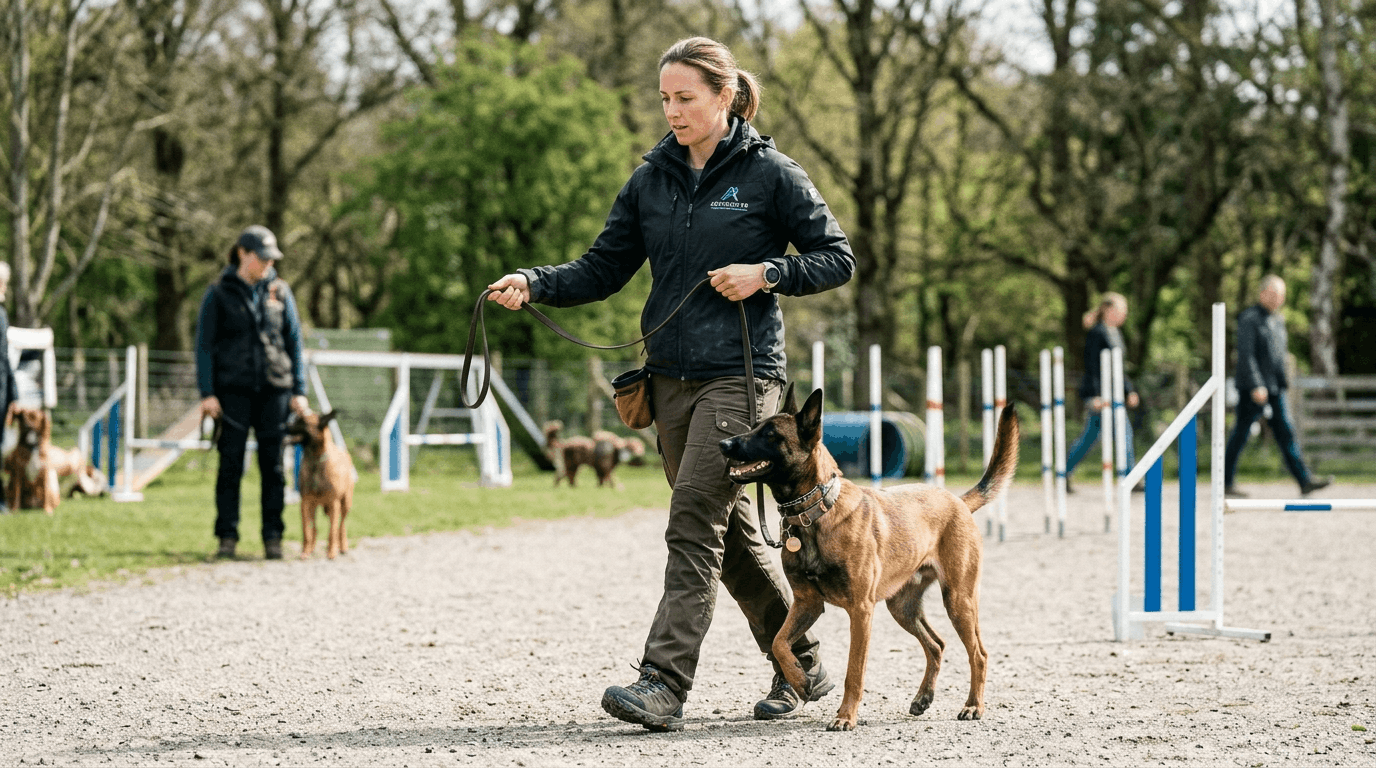
Walking a calm and responsive dog feels enjoyable, relaxing, and rewarding. However, some dogs turn daily walks into stressful experiences filled with pulling, lunging, barking, or complete loss of focus. While basic leash manners work for many dogs, highly reactive, stubborn, fearful, or overexcited dogs often require more structured guidance and emotional support. Advanced leash training helps owners build stronger communication, emotional control, and reliable walking behavior in more challenging situations.
Many dogs struggle outdoors because the environment feels overwhelming, stimulating, or emotionally exciting. Sights, smells, sounds, people, and other animals all compete heavily for attention during walks.
Some dogs pull because excitement overrides self-control, while others react from fear or frustration. In many cases, leash problems involve emotional regulation as much as obedience itself.
Advanced training focuses on teaching dogs how to stay calm, connected, and emotionally balanced even around distractions and triggers.
Importantly, progress rarely comes from force or punishment alone. Calm structure, consistency, and positive communication create healthier long-term results.
Dogs that learn emotional stability outdoors often improve not only during walks but also throughout daily life overall.
Why Challenging Dogs Struggle on Leash
Many owners assume difficult leash behavior comes purely from stubbornness. However, emotional arousal usually drives most leash problems more than defiance alone.
Advanced leash training begins by understanding what motivates the dog emotionally during walks.
Some dogs become overstimulated by movement, smells, and environmental excitement. Others feel anxious or defensive around unfamiliar dogs, people, or sounds.
Certain breeds also possess naturally strong drive levels that increase pulling and environmental focus outdoors.
Frustration plays a major role too. Dogs that want access to exciting stimuli often pull harder when restrained by the leash.
Fearful dogs may react emotionally because they feel trapped or uncertain while unable to create distance comfortably.
Recognizing the emotional reason behind behavior helps owners choose more effective training strategies instead of relying on punishment or physical control alone.
Building Engagement Before the Walk Starts
Many leash struggles begin before owners even leave the house.
Dogs that explode with excitement during leash preparation usually begin walks already emotionally overstimulated.
Advanced leash training often starts with calm indoor routines that encourage emotional regulation before outdoor stimulation appears.
Owners should avoid rewarding frantic barking, spinning, or lunging behaviors before walks.
Instead, calm sitting, eye contact, or relaxed body language should trigger leash attachment and door access.
Simple pre-walk exercises help dogs shift into calmer emotional states before exposure to distractions outdoors.
Calm beginnings frequently improve the entire walking experience significantly because dogs start from a more balanced mindset.
Why Loose Leash Walking Requires Emotional Control
Loose leash walking involves far more than physical positioning beside the owner. Dogs must also regulate excitement, impulses, and environmental reactions consistently.
Advanced leash training teaches dogs how to think calmly while moving through stimulating environments.
Dogs that constantly pull usually remain emotionally disconnected from their owners during walks.
Training should therefore focus heavily on engagement and emotional awareness rather than repetitive leash corrections alone.
Rewarding calm attention and relaxed walking encourages dogs to remain mentally connected outdoors.
Dogs learn gradually that calm movement produces rewarding experiences while pulling creates less access to excitement.
Emotional self-control improves slowly through repeated calm experiences and consistent communication.
Using Distance to Reduce Reactivity
Many challenging dogs react strongly because triggers feel emotionally overwhelming at close range.
Advanced leash training often uses controlled distance to help dogs remain calm enough for learning.
For example, reactive dogs usually process information better when farther away from other dogs, bicycles, or loud environments initially.
Owners should avoid forcing dogs too close to overwhelming triggers too quickly.
Distance creates emotional safety while allowing dogs to stay below their stress threshold.
Calm observation from safer distances helps dogs practice emotional regulation successfully without immediate panic or frustration.
Over time, gradual exposure paired with positive experiences builds stronger emotional resilience naturally.
Rewarding Calm Decisions Outdoors
Many owners only react when dogs make mistakes during walks. However, rewarding calm choices consistently creates much faster progress.
Advanced leash training encourages owners to notice relaxed body language, calm focus, loose leash moments, and emotional recovery regularly.
Dogs repeat behaviors that create rewarding outcomes.
Treats, praise, toys, sniffing opportunities, or movement rewards all help reinforce calmer behavior outdoors.
Importantly, rewards should happen before dogs become fully overstimulated whenever possible.
Waiting until dogs completely lose focus often makes learning much harder.
Calm repetition gradually teaches dogs that emotional balance and owner engagement produce positive experiences consistently.
Why Punishment Often Fails With Reactive Dogs
Harsh leash corrections may temporarily suppress behavior, yet they rarely solve underlying emotional problems completely.
Advanced leash training focuses on emotional learning instead of fear-based suppression.
Reactive dogs already feel emotionally overloaded in many situations. Consequently, punishment may increase anxiety, frustration, or defensive behavior instead of improving calmness.
Dogs that fear discomfort during walks sometimes become even more hyper-alert or emotionally reactive over time.
Positive reinforcement and calm guidance usually create healthier long-term emotional stability.
This does not mean allowing chaotic behavior freely. Instead, owners should provide structure through calm communication and consistent boundaries rather than intimidation.
Teaching Dogs to Focus Around Distractions
Strong outdoor distractions make focus extremely difficult for many dogs.
Advanced leash training uses gradual distraction exposure to build engagement and impulse control safely.
Owners should practice focus exercises in low-distraction areas first before progressing into more difficult environments.
Eye contact games, name recognition, directional changes, and reward-based engagement exercises help strengthen communication outdoors.
Dogs learn that checking in with their owners creates rewarding experiences even around environmental stimulation.
Importantly, training should progress slowly enough for dogs to succeed consistently instead of becoming overwhelmed emotionally.
The Importance of Mental Stimulation
Many leash problems worsen because dogs feel mentally under-stimulated daily.
Advanced leash training works much better when dogs receive proper mental enrichment alongside physical exercise.
Puzzle toys, scent work, obedience games, trick training, and problem-solving exercises all support emotional balance.
Mentally fulfilled dogs usually display better focus and calmer behavior during walks.
Some dogs pull excessively because walks become their only major outlet for excitement and stimulation.
Balanced enrichment reduces emotional pressure while improving self-control naturally.
Mental exercise often tires dogs more effectively than physical activity alone because it encourages calm thinking and emotional processing.
How Body Language Affects Walking Behavior
Dogs constantly observe human body language during walks.
Advanced leash training requires calm and confident handling because nervous or frustrated energy easily transfers through the leash.
Tight leash tension often increases pulling and emotional arousal automatically.
Owners should move calmly while avoiding sudden jerking, panic reactions, or inconsistent movements.
Breathing steadily and maintaining relaxed posture helps create emotional stability for dogs outdoors.
Dogs frequently mirror human emotional energy during stressful situations.
Calm leadership therefore influences walking behavior more powerfully than many owners realize initially.
Practicing Recovery After Mistakes
Perfect walks rarely happen during advanced training. Dogs will occasionally react, pull, bark, or lose focus during difficult situations.
Advanced leash training teaches dogs how to recover emotionally after mistakes instead of remaining overstimulated for long periods.
Recovery matters more than perfection because emotional resilience develops through repeated calming experiences.
Owners should remain calm after setbacks while redirecting focus gently instead of reacting emotionally themselves.
Dogs learn emotional regulation more effectively when owners model calm behavior consistently.
Every successful recovery strengthens emotional confidence gradually over time.
Equipment Can Support Better Training
Training tools alone never solve leash problems completely. However, proper equipment can improve safety, communication, and comfort significantly.
Advanced leash training often works best with secure front-clip harnesses, comfortable collars, or long training leashes depending on the dog’s needs.
Equipment should support calm handling rather than create pain or fear.
Front-clip harnesses sometimes reduce pulling pressure while improving owner control during training sessions.
Long lines help dogs practice recall and calm movement safely in open areas too.
Importantly, no equipment replaces emotional training and consistent communication completely.
Building Patience During Difficult Walks
Many owners feel frustrated when progress seems slow or inconsistent. However, emotional learning takes time, especially for reactive or highly excitable dogs.
Advanced leash training requires patience because dogs develop self-control gradually through repetition and experience.
Small improvements matter greatly. Shorter reaction times, calmer recovery, or improved focus already represent meaningful progress.
Comparing dogs unfairly often increases owner frustration unnecessarily because each dog learns differently.
Some dogs need longer adjustment periods depending on genetics, confidence, past experiences, or emotional sensitivity.
Consistent calm practice usually creates stronger long-term results than rushing progress too quickly.
Creating Better Walking Habits Long Term
Leash training success depends heavily on everyday consistency and emotional stability.
Advanced leash training works best when owners practice calm communication, structured routines, and engagement consistently during daily walks.
Dogs learn through repetition and predictable outcomes over time.
Owners should therefore maintain realistic expectations while reinforcing calm behavior regularly.
Importantly, walks should not become constant battles for control. Instead, they should gradually evolve into cooperative experiences built on trust and communication.
Calmer walks improve quality of life for both dogs and owners significantly.
Dogs that feel emotionally balanced outdoors often display better behavior inside the home as well.
Helping Difficult Dogs Succeed Outdoors
Challenging leash behavior can feel exhausting and discouraging initially. However, many reactive, fearful, or stubborn dogs improve dramatically with proper guidance and emotional support.
Advanced leash training focuses on far more than stopping pulling alone. It helps dogs develop emotional regulation, confidence, focus, and healthier communication patterns during outdoor experiences.
Calm routines, positive reinforcement, gradual exposure, mental stimulation, and patient repetition all contribute to long-term success.
Importantly, owners should focus on emotional progress rather than demanding perfection immediately.
Dogs learn best when they feel safe enough to think clearly instead of reacting impulsively from stress or excitement.
Every calm interaction, successful recovery, and positive walking experience strengthens emotional resilience gradually.
Ultimately, leash training should strengthen the relationship between dogs and owners while creating safer, calmer, and more enjoyable walks overall.
With patience, consistency, and supportive guidance, even difficult dogs can learn how to walk calmly and confidently through the world around them.
FAQ
1. Why do some dogs pull harder than others?
Different dogs vary in drive, excitement levels, confidence, and emotional sensitivity outdoors.
2. Can reactive dogs improve with calm training methods?
Yes. Many reactive dogs improve through gradual exposure and positive emotional learning.
3. Should I stop walks if my dog reacts badly?
Short calmer walks often help more than overwhelming stressful experiences repeatedly.
4. Does leash equipment solve pulling problems completely?
No. Proper equipment supports safety, but emotional training remains essential for lasting improvement.
5. How long does advanced leash work usually take?
Progress varies depending on consistency, emotional triggers, and the dog’s learning history.