
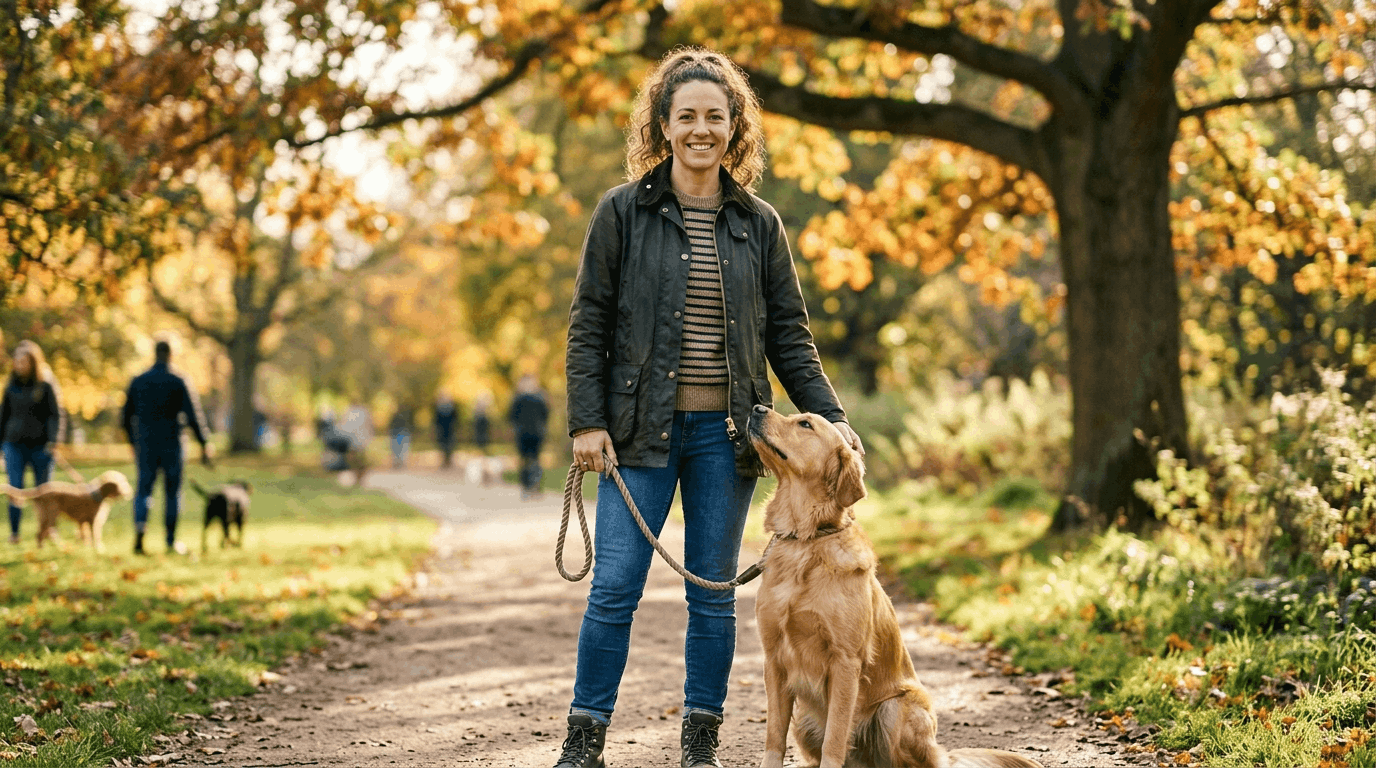
Owning a dog brings joy, companionship, and emotional connection into everyday life. However, raising a happy and well-behaved dog also comes with challenges that sometimes feel overwhelming for new or inexperienced owners. Barking, pulling, chewing, anxiety, poor recall, and inconsistent behavior often leave owners feeling frustrated or unsure about what to do next. Fortunately, becoming a confident dog parent does not require perfection, professional expertise, or years of experience. Instead, confidence develops gradually through understanding, patience, consistency, and stronger communication with your dog.
Dogs naturally look for guidance, structure, and emotional stability from the people around them.
When owners feel calm and capable, dogs often respond with better focus and emotional balance as well.
Importantly, confidence does not mean controlling every situation perfectly.
Instead, it means learning how to respond calmly, communicate clearly, and build trust steadily over time.
Small daily habits often create the biggest improvements in behavior and emotional connection.
As owners become more informed and emotionally consistent, dogs usually become calmer and more cooperative naturally.
The journey toward becoming a capable dog owner therefore starts with understanding both canine behavior and your own role within the relationship.
Why Confidence Matters in Dog Ownership
Dogs respond strongly to emotional energy, body language, and consistency.
A confident dog parent usually creates calmer interactions because dogs feel safer around steady and predictable leadership.
Nervous handling, frustration, inconsistency, or emotional overreaction often increase canine stress unintentionally.
Dogs thrive when they understand expectations clearly and feel emotionally secure inside their environment.
Importantly, confidence does not come from dominance or forceful control.
Instead, it develops through calm communication, patience, and repeated successful experiences together.
Owners who trust themselves often guide their dogs more effectively during challenging situations.
Confidence also helps owners remain calmer during setbacks, which supports healthier learning and emotional stability for the dog.
Understanding Your Dog’s Emotional Needs
Dogs experience emotions that strongly influence behavior and learning daily.
A confident dog parent understands that behavior often reflects emotional needs rather than stubbornness alone.
Fear, stress, excitement, frustration, boredom, and anxiety all affect how dogs respond to situations.
For example, excessive barking may come from emotional overstimulation instead of disobedience.
Likewise, pulling during walks often reflects excitement or emotional arousal rather than defiance.
Owners who recognize emotional causes behind behavior usually respond more effectively and compassionately.
Understanding emotional wellness helps create calmer relationships built on trust instead of constant correction.
Consistency Builds Better Behavior
Dogs learn through repeated predictable experiences over time.
A confident dog parent creates clear routines and consistent expectations that help dogs feel emotionally secure.
Inconsistent rules often confuse dogs because behavioral outcomes change unpredictably.
For example, allowing jumping occasionally while discouraging it later creates frustration and mixed signals.
Consistency does not require perfection every day. However, stable routines and clear communication improve learning significantly.
Dogs generally behave more calmly when they understand what owners expect consistently.
Importantly, small repeated habits shape long-term behavior far more effectively than occasional intense training sessions.
Calm Leadership Creates Trust
Dogs often mirror emotional energy from the people around them.
A confident dog parent stays calm during stressful situations rather than reacting emotionally or impulsively.
Yelling, frustration, or panic may increase emotional tension and confusion for dogs.
Calm guidance helps dogs process situations more safely and confidently.
Importantly, calm leadership does not mean ignoring unwanted behavior completely.
Instead, it involves responding thoughtfully while teaching dogs better alternatives consistently.
Dogs that trust their owners emotionally usually recover from stressful experiences more quickly because they feel supported and understood.
The Importance of Positive Reinforcement
Reward-based training helps dogs feel motivated, safe, and engaged during learning.
A confident dog parent focuses on rewarding desired behavior instead of constantly correcting mistakes.
Treats, praise, toys, affection, and play all reinforce healthy habits naturally.
Dogs repeat behaviors that consistently create positive outcomes.
Rewarding calm behavior, focus, loose leash walking, and polite greetings encourages dogs to make better choices repeatedly.
Importantly, positive reinforcement strengthens emotional trust while reducing fear and frustration significantly.
Dogs trained through supportive methods often become more confident and emotionally balanced over time.
Building Healthy Daily Routines
Dogs thrive in environments that feel predictable and emotionally stable.
A confident dog parent creates balanced daily routines that support physical exercise, mental stimulation, rest, and emotional security.
Regular feeding times, walks, play sessions, and quiet periods help dogs understand what to expect each day.
Structured routines also reduce stress and emotional uncertainty significantly.
Dogs that receive consistent fulfillment often display calmer behavior naturally because their needs remain balanced throughout the day.
Importantly, routines should support both activity and relaxation equally.
Why Mental Stimulation Matters
Many behavioral problems develop because dogs feel mentally under-stimulated or emotionally frustrated.
A confident dog parent understands that mental enrichment supports emotional balance and healthier behavior.
Puzzle feeders, scent games, obedience practice, trick training, and problem-solving activities all encourage calmer thinking.
Mental stimulation reduces boredom while improving focus and self-control naturally.
Dogs that use their minds constructively often settle more comfortably indoors.
Importantly, even short enrichment sessions create meaningful emotional benefits over time.
Mental exercise remains just as valuable as physical activity for overall behavioral health.
Exercise Supports Emotional Wellness
Physical activity strongly influences emotional regulation and behavioral balance.
A confident dog parent provides exercise suited to the dog’s breed, age, personality, and energy level.
Dogs carrying excess physical energy often struggle settling calmly indoors.
However, balanced movement matters more than exhausting dogs constantly through intense activity.
Structured walks, play sessions, scent exploration, and interactive games all support healthier emotional outcomes naturally.
Importantly, overstimulation may increase emotional arousal for some sensitive dogs.
Balanced exercise paired with mental enrichment usually creates the healthiest behavioral improvements overall.
Learning How Dogs Communicate
Dogs constantly communicate through body language, posture, movement, and vocalization.
A confident dog parent learns how to recognize emotional signals before problems escalate fully.
Lip licking, yawning, pacing, stiff posture, avoidance, tucked tails, or excessive panting may indicate stress or discomfort.
Understanding these subtle signals helps owners respond calmly and appropriately.
Dogs that feel emotionally understood usually become more relaxed and trusting over time.
Strong communication improves safety while strengthening the overall relationship naturally.
Managing Frustration as an Owner
Every dog owner experiences difficult moments occasionally.
A confident dog parent understands that setbacks and challenges remain normal parts of the learning process.
Dogs learn gradually through repetition, emotional support, and consistency rather than instant perfection.
Frustration often slows progress because emotional tension affects both the owner and the dog negatively.
Taking breaks, adjusting expectations, and focusing on small improvements helps maintain healthier training experiences.
Importantly, confidence grows through patience and persistence rather than flawless results.
Creating a Calm Home Environment
Home environments strongly influence emotional balance and behavior.
A confident dog parent creates calm spaces that support relaxation, structure, and emotional safety.
Constant noise, chaos, overstimulation, or inconsistent routines often increase stress and impulsive behavior in dogs.
Quiet resting areas, structured downtime, and predictable daily rhythms help dogs decompress emotionally.
Dogs need opportunities to rest peacefully without constant interruption or excitement.
Balanced environments support healthier nervous system regulation and calmer behavior overall.
Helping Dogs Build Confidence
Confident dogs usually handle new experiences more calmly and successfully.
A confident dog parent introduces challenges gradually while supporting emotional safety throughout the process.
Positive exposure to people, environments, sounds, and situations helps dogs develop resilience naturally.
Importantly, dogs should experience manageable challenges rather than overwhelming situations that create fear.
Small successful experiences build confidence steadily over time.
Owners who remain calm and supportive during unfamiliar situations help dogs feel safer and more capable emotionally.
Why Patience Creates Better Results
Many owners expect fast progress and become discouraged when behavior does not improve immediately.
A confident dog parent understands that meaningful behavioral change takes time and consistency.
Habits, emotional responses, and communication patterns develop gradually through repeated experiences.
Dogs learn at different speeds depending on temperament, history, environment, and emotional sensitivity.
Patience allows learning to happen without unnecessary pressure or frustration.
Importantly, small improvements eventually create major long-term transformation when owners remain consistent and emotionally steady.
Strengthening the Human-Dog Bond
Trust forms the foundation of every healthy relationship between dogs and owners.
A confident dog parent focuses on building connection rather than controlling behavior through fear or intimidation.
Shared experiences such as walks, training sessions, quiet relaxation, and play all strengthen emotional bonds naturally.
Dogs that trust their owners emotionally usually display better focus, calmer behavior, and greater confidence overall.
Strong relationships improve communication while helping dogs feel emotionally secure inside the home and outdoors.
Becoming the Dog Owner Your Dog Needs
No owner starts with perfect knowledge or endless experience.
A confident dog parent develops gradually through learning, observation, patience, and daily practice.
Importantly, dogs do not need flawless owners. They need calm guidance, emotional consistency, and supportive leadership that helps them feel secure and understood.
Every positive interaction contributes to long-term trust and behavioral growth.
Small routines, calm communication, enrichment, exercise, and reward-based training all shape healthier relationships naturally.
Confidence grows each time owners respond thoughtfully instead of reacting emotionally.
Dogs also become calmer and more cooperative when they feel emotionally safe and clearly guided.
Ultimately, becoming a capable dog owner involves understanding that behavior reflects emotional wellness, communication, and environment working together.
When owners focus on connection, patience, and steady improvement, dogs often thrive emotionally and behaviorally in return.
With time, consistency, and compassion, any owner can become more confident, capable, and successful in building a happier life alongside their dog.
FAQ
1. What makes someone a better dog owner?
Consistency, patience, calm leadership, and understanding canine behavior all improve dog ownership greatly.
2. Can dogs sense owner emotions?
Yes. Dogs often respond strongly to emotional energy, tone of voice, and body language.
3. Why does my dog behave differently some days?
Stress, excitement, environment, routine changes, and emotional balance all influence daily behavior.
4. How can I improve communication with my dog?
Consistent rewards, calm guidance, and understanding body language strengthen communication naturally.
5. Does confidence improve dog behavior?
Yes. Calm and emotionally steady owners often help dogs feel safer and more balanced overall.