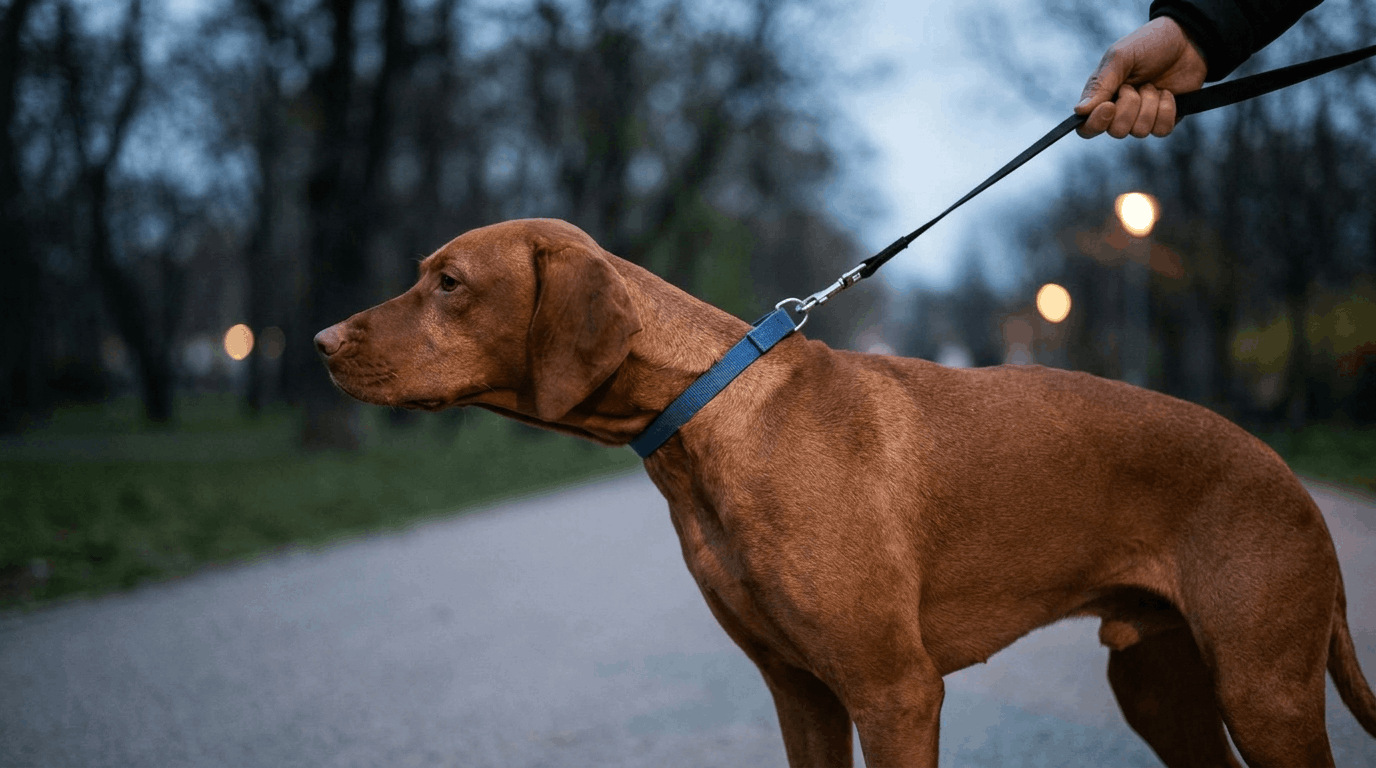
Finding the best leash and harness can completely change your walking experience, especially if your dog constantly pulls. Many owners struggle daily with tension on the leash, sore arms, and frustrating walks that feel more like a battle than a bonding moment. However, the right equipment combined with proper use can make a noticeable difference almost immediately. When you choose the best leash and harness, you are not just buying gear, you are investing in better communication, improved safety, and a calmer routine for both you and your dog.
Pulling behavior often develops because dogs naturally move faster than humans and are driven by curiosity. When they discover that pulling gets them where they want to go, the behavior becomes reinforced. Therefore, selecting the best leash and harness helps interrupt that pattern while giving you more control. At the same time, it protects your dog from strain and reduces the risk of injury, which is especially important for long-term health.
Why The Right Equipment Matters
Many dog owners underestimate how much equipment impacts behavior. While training is essential, the tools you use can either support or hinder your progress. The best leash and harness works with your training, not against it. Instead of relying on force, it gently guides your dog into better habits.
Traditional collars, for example, can put pressure on a dog’s neck when they pull. This not only causes discomfort but may also increase anxiety or resistance. In contrast, a well-designed harness distributes pressure more evenly across the chest and shoulders. As a result, your dog can move comfortably while you maintain better control.
Additionally, the best leash and harness combination gives you better handling in unpredictable situations. Whether you encounter another dog, a loud noise, or a sudden distraction, having reliable equipment allows you to respond calmly and confidently.
Types Of Harnesses That Reduce Pulling
When choosing the best leash and harness, understanding the different types of harnesses is essential. Not all harnesses are designed to stop pulling, so selecting the right one can make a significant difference.
Front-clip harnesses are one of the most effective options for dogs that pull. The leash attaches at the front of the chest, which gently redirects your dog toward you when they try to pull forward. This naturally discourages pulling without causing pain or stress.
Back-clip harnesses, on the other hand, are more suitable for well-trained dogs. While they are comfortable and easy to use, they do not provide much control for strong pullers. Therefore, they are not always the best leash and harness option for dogs still learning leash manners.
There are also dual-clip harnesses, which offer both front and back attachment points. These provide flexibility, allowing you to switch between training and casual walking modes. Because of this versatility, many owners consider them among the best leash and harness choices available.
Choosing The Right Leash For Better Control
While the harness plays a major role, the leash is equally important. The best leash and harness work together to create a balanced walking experience. A poor leash choice can undermine even the best harness.
Standard fixed-length leashes are often the best option for training. They provide consistent control and allow you to maintain a steady connection with your dog. A length of about four to six feet is ideal for most situations.
Retractable leashes, although popular, are not recommended for dogs that pull. They encourage tension and reduce your ability to control your dog quickly. Therefore, they are rarely part of the best leash and harness setup for training purposes.
Material also matters. A sturdy leash with a comfortable grip makes walks easier, especially if your dog tends to pull. Additionally, durable materials ensure safety and longevity, which is important for daily use.
Fit And Comfort Make A Big Difference
Even the best leash and harness will not work properly if they do not fit your dog correctly. A poorly fitted harness can cause discomfort, restrict movement, or even lead to escape.
When fitting a harness, ensure it is snug but not tight. You should be able to fit two fingers between the harness and your dog’s body. At the same time, it should not shift excessively during movement.
Comfort is equally important. Look for padded straps and breathable materials that prevent chafing. When your dog feels comfortable, they are more likely to respond positively during walks. As a result, the best leash and harness becomes a tool for cooperation rather than resistance.
How Equipment Supports Training
Although the best leash and harness can reduce pulling, they are most effective when combined with training. Equipment alone cannot fix behavior, but it can make training easier and more consistent.
When your dog begins to pull, the harness design helps redirect their movement. At the same time, you can reinforce calm walking with rewards and praise. This combination teaches your dog that walking politely leads to positive outcomes.
Consistency is key. Use the same equipment and follow the same rules every time you walk. Over time, your dog will begin to understand what is expected, and pulling will decrease naturally.
Common Mistakes To Avoid
Many owners struggle to see results because of common mistakes. Even with the best leash and harness, certain habits can slow progress.
One mistake is allowing pulling sometimes but correcting it other times. This inconsistency confuses your dog and makes training less effective. Instead, maintain clear and consistent expectations during every walk.
Another mistake is choosing equipment based only on appearance. While style may be appealing, functionality should always come first. The best leash and harness should prioritize comfort, control, and durability.
Finally, avoid using equipment as a substitute for training. While the right tools help, they should support a structured training approach rather than replace it.
Building Better Walking Habits
To get the most out of the best leash and harness, focus on building good habits during every walk. Start by setting a calm tone before leaving your home. If your dog is overly excited, wait until they settle before heading outside.
During the walk, reward your dog for staying close and maintaining a loose leash. This reinforces the behavior you want to see. If your dog pulls, stop moving until the leash relaxes. Although this may take time, it teaches your dog that pulling does not work.
Gradually, your dog will learn that calm walking leads to forward movement. This understanding transforms walks from stressful experiences into enjoyable routines.
Safety And Long-Term Benefits
Using the best leash and harness is not just about convenience, it is also about safety. Proper equipment reduces the risk of injury for both you and your dog. It also gives you better control in unexpected situations, which is essential in busy environments.
Over time, improved walking habits lead to a more relaxed and confident dog. This makes outings more enjoyable and strengthens your bond. When walks become calm and predictable, both you and your dog can look forward to them each day.
Conclusion
Choosing the best leash and harness is one of the most effective steps you can take to improve your dog’s walking behavior. While pulling can be frustrating, the right equipment combined with consistent training can make a significant difference. By focusing on comfort, control, and proper use, you create a foundation for calmer, safer walks.
Although progress may take time, the results are worth the effort. With patience and consistency, your dog will learn to walk calmly beside you. In the end, the best leash and harness does more than reduce pulling, it transforms your daily walks into a positive and enjoyable experience.
FAQ
- What type of harness is best for strong pullers?
Front-clip harnesses are often the most effective because they gently redirect your dog when they pull. - Are retractable leashes good for training?
Retractable leashes are not ideal because they encourage pulling and reduce control during walks. - How tight should a harness fit?
A harness should be snug but allow two fingers to fit comfortably between it and your dog’s body. - Can a harness stop pulling completely?
A harness helps reduce pulling, but consistent training is needed for long-term results. - How long does it take to improve leash behavior?
With daily practice and consistency, many dogs show noticeable improvement within a few weeks.