Every dog owner wants a calm, obedient, and well-mannered companion, yet achieving that goal requires the right structure and consistency. The best dog training programs provide a clear path to teach your dog essential behaviors while strengthening your bond. Without a structured plan, training can feel confusing, inconsistent, and frustrating for both you and your dog. However, when you follow a proven approach, progress becomes more predictable and rewarding.
Many dogs develop unwanted habits simply because they lack guidance. Therefore, choosing from the best dog training programs allows you to replace those behaviors with positive and reliable actions. Whether you are working with a puppy or an older dog, the right program can make a significant difference in long-term behavior and confidence.
What Makes A Training Program Effective
Not all training systems deliver the same results. The best dog training programs focus on clarity, consistency, and positive reinforcement. Dogs learn best when they understand what is expected and receive immediate feedback for their actions.
In addition, effective programs break training into manageable steps. Instead of overwhelming your dog, they introduce commands gradually. This structured progression ensures that your dog builds skills in a logical and stress-free way.
Another key factor is adaptability. The best dog training programs allow you to adjust techniques based on your dog’s personality and progress. This flexibility ensures that training remains effective for different breeds and temperaments.
Foundation Programs For Basic Obedience
Basic obedience is the starting point for every well-behaved dog. The best dog training programs always begin with core commands such as sit, stay, come, and heel. These commands create a foundation for more advanced training later.
Teaching these basics helps improve communication between you and your dog. When your dog understands simple instructions, it becomes easier to manage behavior in different situations. This is why foundational training is a key part of the best dog training programs.
In addition, these programs often include leash training and impulse control. These skills are essential for daily life, especially in public settings. By mastering the basics, your dog becomes more confident and responsive.
Positive Reinforcement Based Programs
Modern training methods emphasize positive reinforcement rather than punishment. The best dog training programs use rewards such as treats, praise, or toys to encourage desired behavior. This approach builds trust and motivation.
When dogs associate good behavior with rewards, they are more likely to repeat it. Over time, this creates consistent habits that do not rely on fear or correction. Therefore, positive reinforcement is a central element of the best dog training programs.
In addition, this method reduces stress and improves your dog’s overall well-being. A calm and confident dog learns faster and responds more reliably. This makes training sessions more enjoyable for both of you.
Structured Training Programs For Behavior Issues
Some dogs require more than basic obedience training. Behavioral issues such as excessive barking, jumping, or aggression need targeted solutions. The best dog training programs include structured plans to address these challenges.
These programs often focus on identifying triggers and teaching alternative behaviors. For example, a dog that jumps on guests can be trained to sit instead. This redirection helps replace unwanted actions with positive ones.
Consistency is especially important when dealing with behavior issues. The best dog training programs provide clear guidelines to ensure every interaction reinforces the desired behavior. Over time, these structured approaches lead to lasting improvement.
Group Training Versus Individual Programs
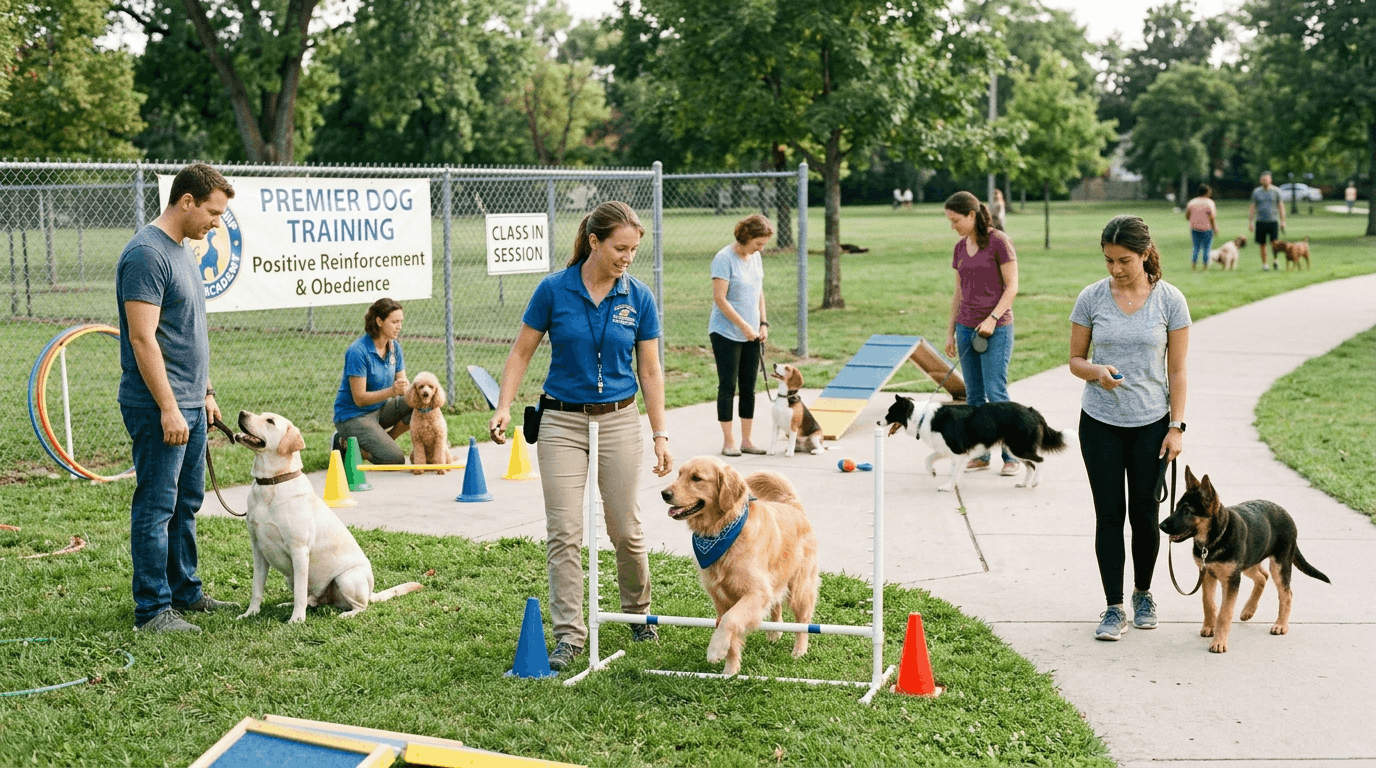
Training can take place in different formats, each with its own benefits. Group classes are a common option within the best dog training programs. These sessions provide socialization opportunities and allow dogs to learn in a controlled environment.
On the other hand, individual training offers more personalized attention. This approach is ideal for dogs with specific challenges or for owners who prefer one-on-one guidance. The best dog training programs often combine both formats for balanced development.
Choosing the right format depends on your dog’s needs and your personal preferences. Some dogs thrive in social settings, while others benefit from focused, individualized training.
Online And At Home Training Programs
Technology has made training more accessible than ever. Many of the best dog training programs are now available online, allowing owners to train their dogs at home. These programs often include video tutorials, step-by-step guides, and progress tracking.
At-home training provides flexibility and convenience. You can practice at your own pace and repeat lessons as needed. This makes it easier to stay consistent, which is essential for success.
However, self-discipline is important. Without regular practice, progress may slow down. Therefore, combining online resources with hands-on training ensures better results within the best dog training programs.
Consistency And Routine In Training
Regardless of the program you choose, consistency remains the most important factor. The best dog training programs emphasize daily practice and clear communication. Dogs learn through repetition, so regular training sessions are essential.
Establishing a routine helps your dog understand expectations. Training at the same time each day creates structure and reinforces habits. Over time, these routines lead to more reliable behavior.
In addition, all family members should follow the same rules. Mixed signals can confuse your dog and slow progress. Consistency across all interactions ensures the success of the best dog training programs.
Tracking Progress And Adjusting Methods
Monitoring your dog’s progress helps you stay on track. The best dog training programs encourage regular evaluation to identify what is working and what needs improvement. This allows you to adjust your approach as needed.
Celebrate small successes along the way. Even minor improvements indicate progress and motivate continued effort. Training is a gradual process, and patience is key.
If progress stalls, consider modifying your methods or seeking additional guidance. The best dog training programs are flexible and adaptable, ensuring long-term success.
Long Term Benefits Of Proper Training
Investing time in training provides lasting rewards. The best dog training programs create well-behaved dogs that are easier to manage in any situation. This leads to a more enjoyable relationship and fewer behavioral issues.
In addition, trained dogs are safer. They respond to commands quickly, which can prevent accidents or dangerous situations. This is especially important in public spaces or around other animals.
Training also strengthens your bond. Working together builds trust and understanding, which improves communication. Over time, this connection becomes one of the most valuable benefits of the best dog training programs.
Conclusion
Finding the right training approach can transform your dog’s behavior and improve your daily life. The best dog training programs provide structure, consistency, and positive reinforcement to guide your dog toward better habits. By choosing a program that fits your needs and staying committed to the process, you can achieve lasting results.
Although training requires time and effort, the rewards are well worth it. A well-behaved dog brings confidence, safety, and enjoyment to every interaction. Ultimately, following the best dog training programs helps you build a strong, trusting relationship that lasts a lifetime.
FAQ
- What age should I start training my dog?
Training can begin as early as puppyhood, but dogs of any age can learn. - Are online training programs effective?
Yes, they can be effective when combined with consistent practice. - How long does it take to train a dog?
Training time varies, but consistent effort leads to steady improvement. - Should I use treats for training?
Yes, rewards help reinforce positive behavior and improve learning. - Can training fix aggressive behavior?
Yes, but serious cases may require professional guidance and structured programs.