
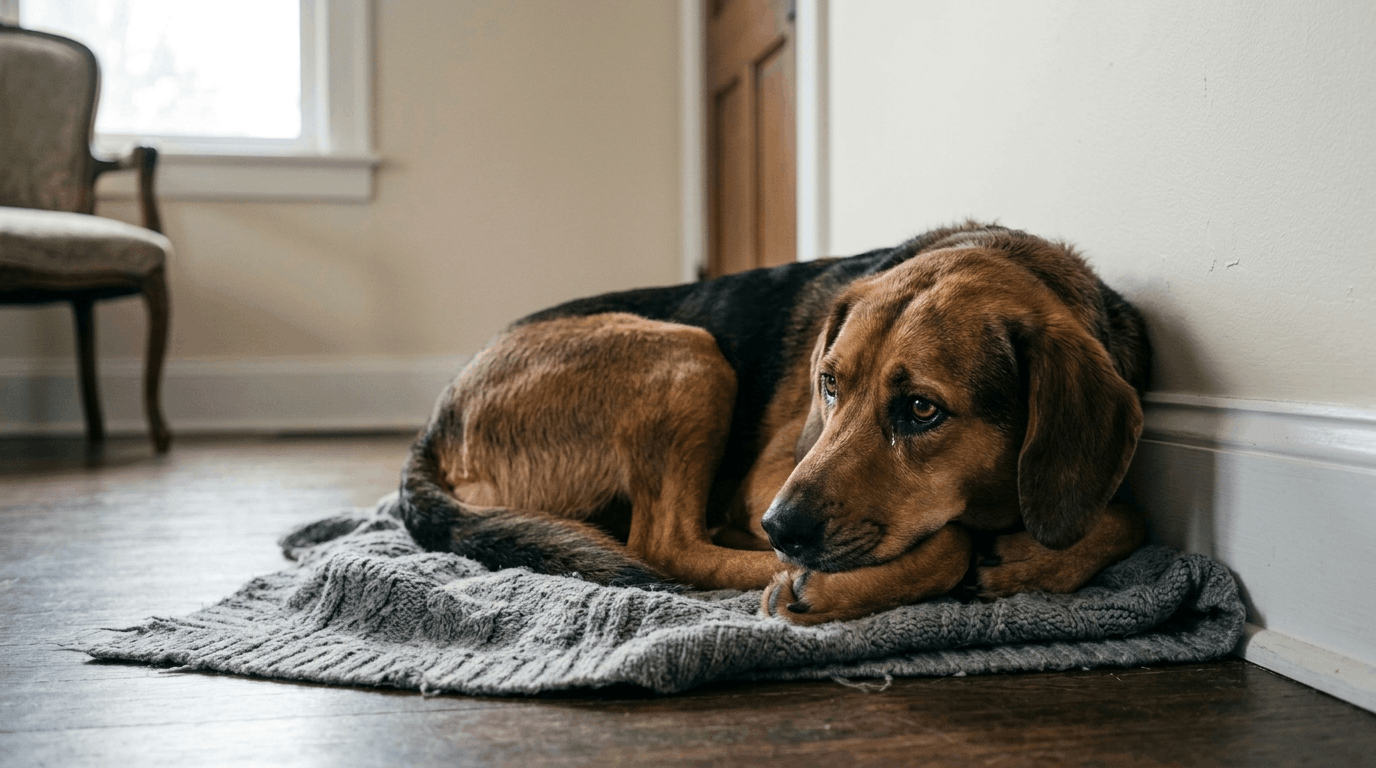
Many dog owners feel heartbroken hearing their pets cry the moment they leave the house. Some dogs whine softly for a few minutes, while others bark, howl, pace, or panic intensely once left alone. This behavior often creates stress not only for the dog but also for the owner, especially when neighbors complain or guilt begins building emotionally. Fortunately, dog crying alone problems usually improve once owners understand the emotional causes behind the behavior and create calmer, more predictable routines.
Dogs naturally form strong emotional bonds with people. Consequently, being left alone can feel confusing or stressful, especially for dogs lacking confidence or emotional independence.
Crying when alone does not necessarily mean a dog is stubborn or manipulative. In many cases, the behavior reflects anxiety, overstimulation, boredom, uncertainty, or incomplete independence training.
Some dogs cry because they feel genuinely distressed, while others simply struggle to settle calmly without human presence nearby.
Improving this behavior requires patience, consistency, and emotional support rather than punishment or frustration.
Dogs learn emotional resilience gradually through repeated safe experiences. Calm routines, mental stimulation, and independence-building exercises all help dogs feel more secure during alone time.
Although progress may take time, many dogs eventually learn how to relax comfortably once owners create supportive habits and predictable separation routines consistently.
Why Dogs Cry When Left Alone
Dogs vocalize for many different reasons, yet emotional discomfort remains one of the most common causes behind dog crying alone behavior.
Some dogs experience separation anxiety, which involves intense emotional distress whenever owners leave. Others simply feel uncertain or underprepared for alone time.
Puppies frequently cry because independence feels unfamiliar during early development stages. Rescue dogs may struggle too because of past instability or abandonment experiences.
Dogs also cry when they associate departures with boredom or frustration. If alone time always feels emotionally negative, vocalizing may become an outlet for stress and discomfort.
Certain breeds naturally form stronger attachment tendencies as well. Companion breeds, working breeds, and highly social dogs often struggle more with separation initially.
Environmental triggers matter too. Loud noises, sudden schedule changes, or chaotic routines may increase emotional insecurity during alone time.
Understanding why dogs cry helps owners respond compassionately and strategically rather than viewing the behavior as simple disobedience.
How Routine Creates Emotional Security
Dogs thrive on predictability because routines help them understand what to expect emotionally throughout the day.
Dog crying alone problems often improve once owners establish consistent schedules involving walks, feeding, play, rest, and departures.
Predictable routines reduce anxiety because dogs stop feeling uncertain about when owners leave or return.
Dogs that receive regular exercise, mental stimulation, and calm interaction before departures usually settle more easily afterward.
Consistent departure routines also help significantly. Dramatic emotional goodbyes often increase anxiety because they make departures feel emotionally important or stressful.
Calm exits create healthier emotional patterns instead.
Owners should also avoid unpredictable long absences during early training stages whenever possible.
Small daily routines gradually teach dogs that alone time remains temporary, safe, and manageable.
Structure builds emotional stability over time because dogs learn that their needs will continue being met consistently even when owners leave temporarily.
Mental Stimulation Reduces Separation Stress
Boredom and excess mental energy often intensify dog crying alone behavior significantly.
Dogs left alone without mental enrichment may struggle to settle because their minds remain restless and under-stimulated.
Mental stimulation before departures helps release emotional energy constructively while encouraging calmer relaxation afterward.
Puzzle feeders, scent games, training exercises, and interactive toys all provide valuable cognitive engagement before alone time begins.
Food enrichment toys work especially well because licking and problem-solving naturally encourage calmer emotional states.
Frozen enrichment toys also create longer-lasting engagement that helps dogs transition into relaxation more smoothly.
Dogs that feel mentally satisfied usually settle more easily because they experience less frustration and emotional restlessness.
Mental enrichment should support calmness rather than creating overstimulation, however. Structured activities that encourage focus and problem-solving generally work best.
Teaching Independence Gradually
Many dogs struggle emotionally because they never learned how to feel comfortable independently. Constant attention and companionship sometimes unintentionally prevent dogs from developing emotional confidence alone.
Reducing dog crying alone behavior often requires gradual independence training throughout everyday life.
Owners can begin by encouraging calm separation inside the home first. For example, dogs can practice relaxing in another room briefly while owners move around normally nearby.
Short independent moments build emotional resilience gradually without overwhelming the dog.
Dogs should also learn how to settle calmly without constant physical interaction or entertainment.
Rewarding calm independent behavior teaches dogs that being alone briefly remains safe and positive.
Gradual progression matters greatly. Jumping immediately into long absences often overwhelms anxious dogs emotionally.
Confidence develops through many small successful experiences repeated consistently over time.
Why Calm Departures Matter
Many owners unintentionally increase anxiety during departures through emotional routines filled with tension, guilt, or excessive reassurance.
Dog crying alone issues often worsen when departures feel emotionally dramatic or unpredictable.
Long emotional goodbyes may signal to dogs that something stressful is happening. Consequently, dogs become more anxious before the owner even leaves.
Calm and low-key departures usually create healthier emotional associations.
Owners should prepare naturally, leave confidently, and avoid turning departures into major emotional events.
Similarly, greetings upon returning home should remain calm initially rather than overly intense.
Dogs learn emotional patterns quickly. Calm departures and arrivals help normalize temporary separation instead of making it feel emotionally overwhelming.
Consistency matters greatly here because dogs rely heavily on routine and emotional predictability.
Creating a Comfortable Safe Space
Dogs often settle more easily when they have comfortable resting areas associated with calmness and security.
Dog crying alone behavior may improve once owners create predictable safe spaces for relaxation during absences.
Comfortable beds, familiar blankets, calming music, and safe chew toys all help create positive emotional associations with alone time.
Some dogs feel safer in smaller enclosed spaces such as crates or gated rooms, while others prefer open areas with freedom to move around.
Owners should observe individual preferences carefully rather than assuming every dog responds the same way.
Safe spaces should feel calm and rewarding rather than punitive. Dogs should never associate confinement with punishment or emotional isolation.
Gradual positive experiences inside those spaces help dogs build confidence and relaxation more naturally.
Exercise Helps Emotional Regulation
Physical activity plays an important role in emotional balance and relaxation. Dogs with excess physical energy often struggle more during alone time because excitement and restlessness remain elevated.
Dog crying alone problems frequently improve when dogs receive appropriate exercise before departures.
Walks, structured play sessions, and training activities help release nervous energy constructively.
However, overstimulation should still be avoided. Extremely intense activity immediately before departures sometimes creates more adrenaline instead of calmness.
Balanced exercise combined with mental stimulation generally creates the healthiest emotional state for relaxation afterward.
Dogs that feel physically satisfied often settle more naturally because their bodies and minds feel calmer overall.
Breed and age influence exercise needs significantly too. High-energy working breeds usually require more physical and mental engagement than lower-energy companion dogs.
Why Punishment Makes Anxiety Worse
Some owners attempt to stop crying or barking through punishment, yelling, or corrective devices. Unfortunately, these methods often worsen anxiety instead of solving the underlying emotional issue.
Dog crying alone behavior usually reflects emotional distress rather than deliberate disobedience.
Punishment increases fear and uncertainty because dogs do not understand why emotional discomfort results in negative consequences.
Anxious dogs need emotional support, confidence-building, and calm guidance instead of intimidation.
Positive reinforcement works far more effectively because it helps dogs associate independence and relaxation with safety and rewards.
Owners should focus on creating calm emotional experiences rather than suppressing symptoms forcefully.
Building confidence always creates healthier long-term results than fear-based methods ever can.
How Background Noise Helps Some Dogs
Silence sometimes increases environmental sensitivity for anxious dogs left alone.
Dog crying alone behavior may decrease when calming background sounds reduce sudden environmental triggers.
Soft music, calming playlists, white noise machines, or television sounds often help create more stable emotional environments.
Background noise can mask outside sounds such as traffic, hallway movement, barking dogs, or neighbors that may trigger anxiety or alertness.
However, individual preferences vary greatly. Some dogs respond positively to calming soundscapes, while others prefer quieter environments.
Owners should observe emotional reactions carefully while experimenting with environmental adjustments.
Simple calming changes sometimes create meaningful improvements surprisingly quickly.
Gradual Absence Training Builds Confidence
Dogs struggling severely with separation often need carefully structured absence training to build emotional resilience slowly.
Dog crying alone problems usually improve more effectively when owners practice very short departures repeatedly before increasing duration gradually.
Owners may begin by leaving for only seconds initially, then returning calmly before anxiety escalates fully.
Successful calm experiences matter far more than forcing dogs through overwhelming absences repeatedly.
Gradually increasing separation duration helps dogs build confidence without panic responses taking over emotionally.
Consistency becomes extremely important during this process. Random long absences may slow progress significantly for highly anxious dogs.
Patience matters greatly too because emotional confidence develops slowly.
Small successful steps repeated consistently often create major long-term behavioral improvement over time.
Recognizing Severe Separation Anxiety
Some dogs experience mild adjustment difficulties, while others display more serious separation anxiety symptoms requiring additional support.
Dog crying alone behavior accompanied by destructive panic, excessive drooling, escape attempts, self-injury, or nonstop vocalization may indicate more severe emotional distress.
Dogs experiencing intense panic often struggle to learn effectively without professional guidance.
Certified trainers or veterinary behavior specialists may help create personalized treatment plans involving behavior modification and emotional support strategies.
Owners should never feel ashamed seeking professional help for severe anxiety issues.
Early intervention often improves long-term outcomes significantly while reducing emotional suffering for both dogs and owners.
Helping Dogs Feel Safe and Relaxed Alone
Many dogs initially struggle with alone time because emotional independence does not develop automatically. Dogs need opportunities to build confidence gradually while learning that temporary separation remains safe and manageable.
Understanding the emotional causes behind dog crying alone behavior helps owners respond more compassionately and effectively. Instead of focusing only on stopping noise, owners should prioritize emotional security, routine, and confidence-building.
Mental stimulation, structured exercise, calm departures, independence training, and predictable routines all contribute to healthier emotional balance over time.
Importantly, progress often happens gradually rather than instantly. Small improvements such as shorter crying periods or calmer departures still represent meaningful success.
Dogs learn emotional resilience through repeated positive experiences where they remain safe, calm, and supported.
Patience and consistency create stronger long-term results than punishment or frustration ever could.
Ultimately, the goal is not simply silence. Instead, owners should focus on helping dogs feel emotionally secure, confident, and capable of relaxing peacefully even when left alone temporarily.
With calm guidance and supportive routines, many dogs eventually learn how to handle separation much more comfortably and confidently.
FAQ
1. Why does my dog cry immediately when I leave?
Many dogs feel anxious, overstimulated, or emotionally uncertain when left alone unexpectedly.
2. Can mental stimulation reduce separation problems?
Yes. Cognitive enrichment often helps dogs relax more easily during alone time.
3. Should I ignore my dog when leaving home?
Calm low-key departures usually help reduce emotional intensity and separation stress.
4. How long does separation training usually take?
Progress varies depending on the dog’s anxiety level, history, and consistency of training routines.
5. Is crying alone always separation anxiety?
No. Some dogs simply need more independence training, routine, or mental stimulation rather than clinical anxiety treatment.